 Sumas Window
 Siding That Has to Earn Its Keep in Laurel
Laurel sits in the flat, low-lying farm country south of Sumas, in the part of Whatcom County where marine air off Puget Sound and the Fraser Valley funnels through and settles for days at a time. Homes here don't just get rained on — they sit under a damp gray ceiling for months, with wind-driven storms pushing moisture sideways into walls that a drier climate would never test. Add the long, cool, wet stretch that runs from fall through spring, and you have a recipe for siding that fails quietly, from the inside out, long before it looks bad from the curb.
Siding installation in Laurel isn't a cosmetic project. It's a water-management system for the entire building envelope. Get it right and a home shrugs off decades of Whatcom County weather. Get it wrong — even with good-looking materials — and moisture finds the gaps within a few winters.
Why Siding Fails Faster Here Than in Drier Parts of the State
Moss, Algae, and a Season That Never Really Ends
North- and west-facing walls in Laurel stay damp for days after a storm because they get little direct sun to dry them out. That constant moisture is exactly what moss and algae need to take hold. On some siding materials this is purely cosmetic. On others — anything with exposed wood fiber, seams that aren't fully sealed, or a finish that traps moisture against the substrate — sustained dampness becomes an entry point for rot, swelling, and paint failure.
Wind-Driven Rain and Salt-Tinged Marine Air
Storms coming off the water don't fall straight down here; they arrive at an angle, driven by wind, and they find every unsealed joint, exposed nail head, and poorly lapped seam. Combine that with the faint salt content the marine air carries inland and you get accelerated corrosion on fasteners and trim that isn't rated for it. A siding job that would hold up fine in a drier inland climate can start failing in five years out here if it wasn't detailed for this specific weather.
Freeze-Thaw Cycling
Whatcom County doesn't get brutal winters, but it gets enough freeze-thaw cycling — cold snaps followed by wet, above-freezing weather — to punish any siding material that absorbs water. Trapped moisture that freezes even a few times a winter will expand joints, pop fasteners, and eventually crack seams that were marginal to begin with.
What a Correct Siding Installation Actually Involves
A lot of what determines whether siding lasts 15 years or 40 years in Laurel happens before a single piece of siding goes up. The visible product is maybe a third of the job.
The Water-Resistive Barrier and Flashing
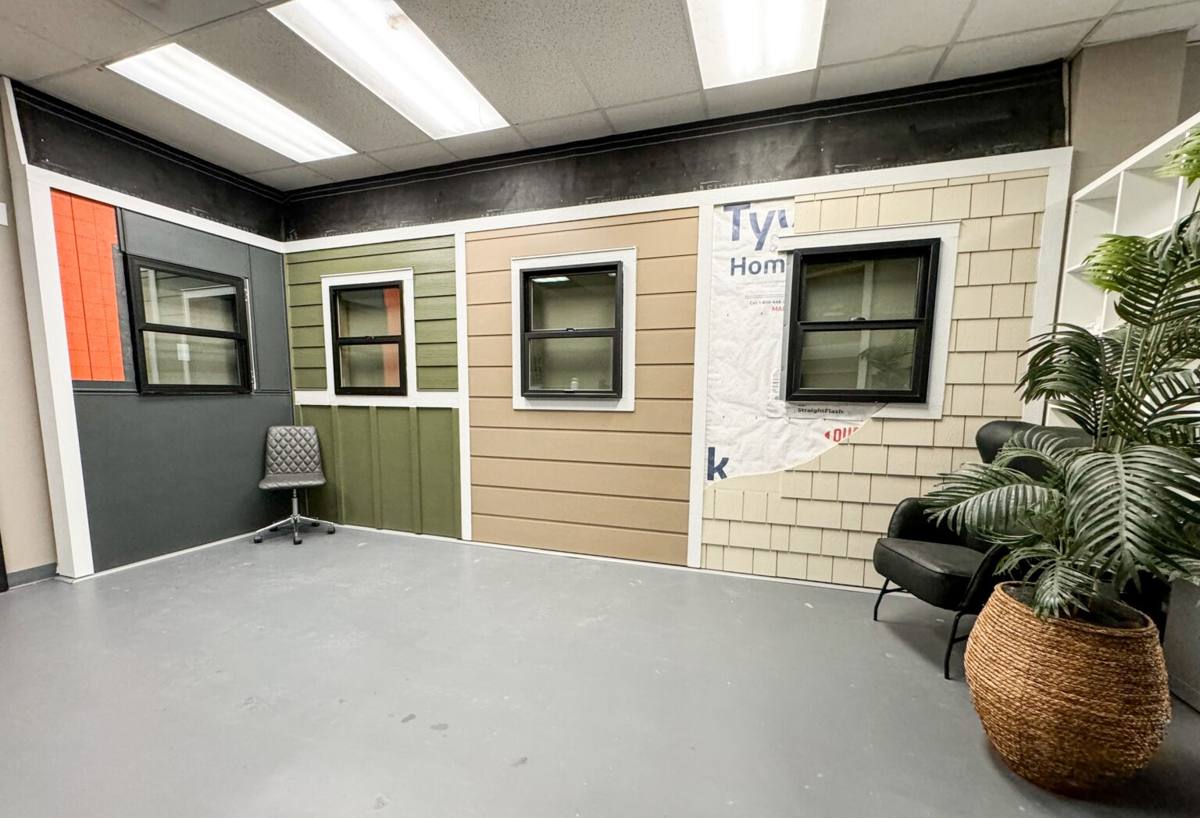
Every wall needs a continuous weather-resistive barrier behind the siding, lapped correctly from the bottom up so water sheds outward instead of working its way in. Flashing at windows, doors, decks, and roof-to-wall intersections has to be integrated with that barrier in the right sequence — not caulked over as an afterthought. Caulk is a backup, not a strategy.
Rainscreen Gap and Drainage Plane
In a climate this wet, a drainage gap between the siding and the wall assembly matters. It lets any moisture that does get past the outer layer drain and dry instead of sitting against the sheathing. This detail rarely shows up in a rushed installation, and it's one of the first things we check when we're asked to look at a home with premature siding failure.
Fastening to Manufacturer Specification
Fiber cement siding has specific nailing patterns, fastener types, and clearance requirements from the manufacturer, and they exist for a reason — get them wrong and you can void the warranty even if the siding itself never fails. Correct fastener spacing, proper embedment depth, and the right clearance at the bottom of the wall and around penetrations all affect how the assembly handles the area's rain and wind loads.
Clearances That Keep Water Moving Away From Wood
Siding installed too close to grade, a deck, a patio, or a roofline creates a spot where water and debris collect and never fully dry. In Laurel's climate, a clearance mistake that would be a minor issue somewhere drier becomes a rot problem within a few seasons.
Why We Install Only James Hardie Fiber Cement
We've made a deliberate decision not to install vinyl, LP SmartSide, Cemplank, Allura, or bare cedar and primed spruce. That's not a marketing angle — it's a standard we hold because of what we've seen this climate do to siding over time. James Hardie fiber cement is non-combustible, dimensionally stable in wet-dry cycling, and finished at the factory with ColorPlus technology, which bonds color to the board under controlled conditions instead of relying on a field-applied coat that has to hold up against Whatcom County's UV and moisture swings on its own.
Hardie also builds its HZ5 product line specifically for climates like this one — engineered for regions with more moisture exposure and freeze-thaw cycling than the milder HZ10 zones see. That distinction matters more here than most homeowners realize; installing the wrong HZ designation for the region is a quiet mistake that shows up years later as premature wear. Hardie backs its siding with a strong, transferable warranty, but that warranty is only as good as the installation behind it — which is why correct detailing isn't optional for us.
How Siding Materials Compare in This Climate
| Factor | James Hardie Fiber Cement | Vinyl | Wood / Primed Spruce / LP-Type |
|---|---|---|---|
| Moisture behavior | Dimensionally stable; doesn't swell, rot, or absorb water into the board | Doesn't absorb water, but can warp or buckle with heat and doesn't manage trapped moisture behind it | Wood-based substrates can swell and delaminate if moisture gets past the coating, especially at cut edges |
| Moss and algae resistance | Factory finish resists staining; surface cleans easily | Resists moss growth itself but seams and J-channels trap organic debris | Textured or wood-grain surfaces hold moisture and organic growth longer |
| Fire rating | Non-combustible | Combustible; can melt or deform near heat sources | Combustible |
| Maintenance burden | Occasional wash; repaint only if ever needed, decades out | Low maintenance but brittle in cold and fades with UV over time | Requires ongoing caulking, painting, and edge sealing to stay watertight |
| Typical lifespan when correctly installed | 30–50+ years | 20–30 years | Highly dependent on maintenance; edge failure common in wet climates |
None of this means the alternatives are worthless products — vinyl is inexpensive and easy to source, and engineered wood siding has real design appeal. But for Laurel's specific combination of driving rain, prolonged dampness, and moss pressure, we've concluded fiber cement installed correctly gives homeowners the fewest long-term headaches, and it's the only system we put our name behind.
Our Siding Installation Process
- Walkthrough and moisture check. We inspect the existing siding, trim, and sheathing for hidden rot before quoting anything, since covering up existing moisture damage guarantees a callback.
- Tear-off and substrate repair. Old siding comes off, damaged sheathing or framing gets replaced, and we confirm the wall is sound before anything new goes up.
- Weather-resistive barrier and flashing. We install and lap the barrier correctly, then integrate flashing at every window, door, and penetration.
- Rainscreen and drainage detailing. We build in the drainage path so incidental moisture can escape instead of collecting.
- Hardie installation to spec. Panels or planks go up with the correct fastener pattern, clearances, and joint treatment per James Hardie's published installation guidelines for this climate zone.
- Trim, caulking, and final inspection. We finish trim details, seal where the manufacturer calls for sealant (not as a substitute for flashing), and walk the job before calling it done.
What Siding Installation Typically Costs in Laurel
Every home is different, but a few factors consistently move the price up or down more than anything else:
| Cost Factor | Why It Matters |
|---|---|
| Tear-off vs. new construction | Removing old siding and disposing of it adds labor that a bare-wall install doesn't require |
| Hidden moisture or rot repair | Sheathing and framing repairs found once the old siding comes off are the most common source of cost changes mid-project |
| Home size and wall complexity | Multiple gables, dormers, and cut-ins take more time and material than a simple rectangular wall |
| Trim and accent details | Board-and-batten accents, window trim upgrades, and color changes at transitions add labor |
| Siding profile chosen | Lap width, shingle-style panels, and vertical siding each have different install labor and material costs |
We don't quote a job sight-unseen for exactly this reason — a farmhouse with decades of moisture exposure behind the siding needs a different scope than a newer home that just needs a straightforward re-side.
Signs a Laurel Home Needs New Siding
- Soft or spongy spots when you press on siding, especially near the bottom of walls or under windows
- Persistent moss or dark streaking that comes back within weeks of cleaning
- Paint that's bubbling, peeling, or won't hold a new coat
- Visible warping, cupping, or gaps opening up at seams and corners
- Rising heating bills that hint at a compromised wall assembly rather than just an aging furnace
- Siding that's more than 20–25 years old and has never been fully inspected behind the surface
Why a Crew That Already Works in Laurel Matters
Siding detailing that works in a dry climate can fail here, and a crew that mostly works drier inland regions may not default to the drainage and flashing details this weather demands. A crew that's already worked homes in and around Sumas and greater Whatcom County knows what this specific combination of driving rain, marine air, and moss pressure does to a wall over time, and builds for it as a default — not an upsell.
There's also a practical side: rural and agricultural properties in the Laurel area often have older outbuildings, additions, or mixed construction eras on the same lot, and a local crew has usually seen the quirks that come with that before. Local scheduling matters too — when a storm exposes a problem mid-project, a crew based nearby can respond faster than one driving in from out of the county.
Get an Estimate for Your Laurel Home
If you're weighing a siding project on a home in Laurel or anywhere around Sumas, we're happy to take a look, explain what we're seeing, and give you a straightforward, no-pressure estimate — no obligation, and no pressure to sign anything on the spot.