 Sumas Window
 Windows Wear Out Differently Here Than They Do Elsewhere
Whatcom County doesn't get the extreme heat or hard freezes that stress windows in other parts of the country, but it makes up for it with something just as damaging over time: sustained moisture. Long stretches of drizzle, driving rain that gets pushed sideways by wind off the valley, and a moss season that can run most of the year all work on a window from the outside in. Salt-laden air moving inland adds a slow corrosive element to hardware and metal components that homeowners rarely think about until a lock or crank stops working smoothly. None of this happens overnight. It shows up as a slow accumulation of small problems that eventually add up to a window that's no longer doing its job.
Knowing which of those small problems are cosmetic and which ones signal a window that's actually failing is the difference between a homeowner who replaces windows on their own schedule and one who's forced into it by a rotted sill or a winter draft that won't quit. This page walks through what to look for, room by room and season by season, so you can make that call with good information.
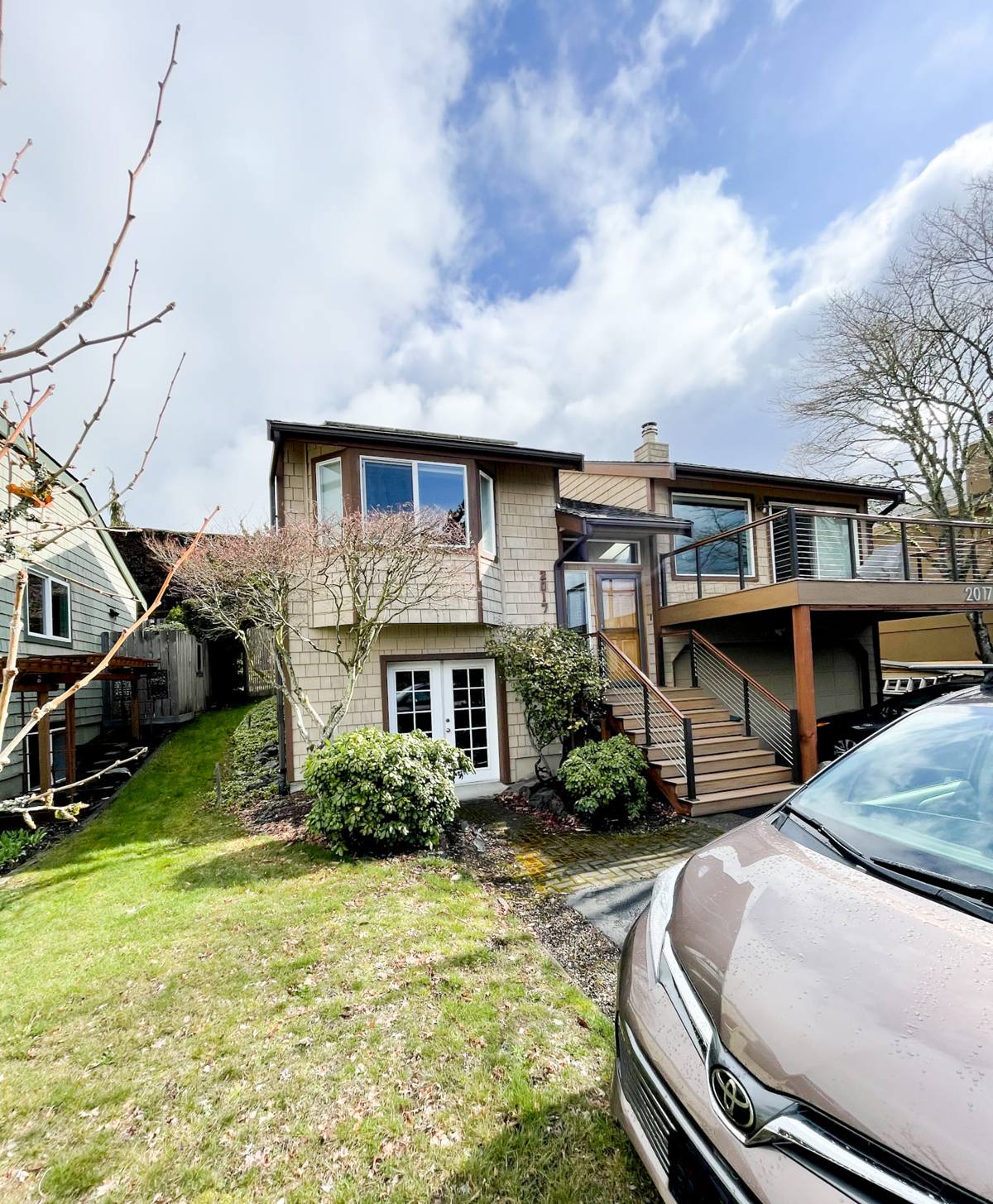
Signs You Can See From Inside the House
Condensation and Fog Between the Glass
Most windows installed in the last few decades use an insulated glass unit, or IGU — two panes of glass sealed together with a gap of air or inert gas in between for insulation. That seal is the weak point. Once it fails, moist air gets into the gap, and you'll see permanent fog, haze, or streaking between the panes that no amount of cleaning will fix. This is different from ordinary condensation on the inside surface of the glass, which is a humidity issue inside the house, not a window failure. If the fog is trapped between the panes and doesn't wipe away, the seal is gone and the insulating value of that window has dropped significantly, even if the frame still looks fine.
Drafts, Cold Spots, and Sticking Sashes
Hold the back of your hand near the edge of a closed window on a windy day. A steady stream of cold air means the weatherstripping has compressed, cracked, or pulled away, or the frame itself has warped enough that it no longer closes tight. Windows that are hard to open, don't stay up on their own, or need to be slammed to latch are telling you the frame has shifted — often from years of moisture cycling through wood or composite components that swell and shrink with the seasons.
Rising Energy Bills Without an Obvious Cause
If your heating costs have crept up year over year and you haven't changed your habits, aging windows are one of the more common culprits, especially in a house with a dozen or more original single-pane or early double-pane units. This isn't something you can diagnose from one bill, but a pattern over a couple of winters is a reasonable signal worth investigating.
Signs You Can See From Outside
The exterior of a window tells you as much as the interior, and in this climate, it often tells you more — problems tend to start outside and work their way in.
- Soft or discolored wood at the sill, jamb, or corners — press it with a screwdriver tip; if it gives easily, moisture has gotten into the material
- Peeling or bubbling paint concentrated around the window frame, which usually means water is getting trapped behind the finish
- Moss or algae growth on the sill or lower frame, a strong sign that water is sitting there longer than it should instead of draining away
- Gaps in caulking or sealant where the frame meets the siding, which lets driving rain track behind the trim
- Clogged or missing weep holes on vinyl frames — these small drainage channels are supposed to let water out, and moss debris and pollen clog them more often than people expect
- Visible corrosion on hinges, cranks, or locks, particularly on older aluminum or steel hardware
Any one of these on its own might just need maintenance. Several of them together on the same window, especially combined with softness in the wood, usually means the window has been letting water in for a while.
The Fog Between the Glass: Repair or Replace?
A failed IGU seal is one of the most common reasons homeowners call about window replacement, and it's worth understanding the options honestly. In some cases the glass unit alone can be swapped out of an otherwise sound frame, which costs less than a full window replacement. That only makes sense if the frame is in good structural condition, the window is a common size, and the sash and hardware are still functioning well. If the frame shows the rot, warping, or hardware failure described above, replacing just the glass is a short-term fix on a window that has other problems waiting behind it. We'll always tell you honestly which category your windows fall into rather than defaulting to the more expensive answer.
How Old Is Old Enough?
Window lifespan depends heavily on material, original installation quality, and exposure, so age alone isn't a perfect predictor. That said, general ranges are useful for planning:
| Window Type | Typical Service Life | What Shortens It Here |
|---|---|---|
| Original single-pane wood | Often 40+ years structurally, but poor insulator | Sash cord wear, sill rot from driving rain |
| Aluminum frame (1970s-90s) | 25-40 years | Corrosion, minimal insulation, condensation issues |
| Early vinyl double-pane | 15-25 years | Seal failure, weep hole clogging, UV brittleness |
| Modern vinyl or fiberglass | 25-35+ years | Still needs clear weep holes and intact caulking |
| Clad wood (wood interior, metal/vinyl exterior) | 30-40 years | Cladding seams and sill flashing are the failure points |
If your windows are original to a house built before the early 2000s, it's worth having them assessed even if nothing looks obviously wrong — seal failure and hardware wear often start well before there's a visible problem.
What Actually Drives the Cost of Replacement
Homeowners often ask for a single number, but window replacement pricing depends on several independent factors, and understanding them helps you evaluate any quote you receive, including ours.
| Factor | Why It Matters |
|---|---|
| Full-frame vs. insert replacement | Full-frame removes down to the rough opening and addresses hidden rot or flashing issues; insert replacement reuses the existing frame and costs less but only works if that frame is sound |
| Frame material | Vinyl is generally the most cost-effective; fiberglass and wood-clad options cost more but offer different appearance and durability trade-offs |
| Glass package | Double-pane is standard; low-E coatings and gas fills add cost but improve performance, which matters more in a climate with long heating seasons |
| Number and size of windows | Larger openings and specialty shapes (bay, arched, custom) cost more per unit than standard sizes |
| Access and site conditions | Second-story or hard-to-reach windows take more labor and equipment time |
| Hidden repairs found during the job | Rot discovered at the sill or sheathing once old windows are pulled adds cost, but leaving it in place isn't a real option |
As a broad range, most full window replacement projects for a typical home run from the low thousands into the tens of thousands depending on how many windows are involved and the scope above — an on-site estimate is the only way to get a number that actually applies to your house.
Egress, Code, and Older Bedroom Windows
If you're replacing a bedroom window in an older home, it's worth checking whether the current opening meets Washington's egress requirements for emergency exit — minimum clear opening height, width, and area, and a sill height that isn't too far off the floor. Many older homes have bedroom windows that predate these requirements. Replacement is a natural point to bring an opening up to current code, and it's something we'll flag during an assessment rather than leave for you to discover later.
A Practical Room-by-Room Checklist
Before you call anyone, walking the house with this list will give you a clearer picture of where you actually stand:
- Check each window for fog or haze trapped between the panes, especially on the sides that face prevailing wind and rain
- Press on sills and lower corners with a fingertip or screwdriver, checking for softness
- Open and close every window — note any that stick, won't stay up, or need force to latch
- Look for moss or algae buildup on exterior sills and lower sashes
- Check caulking where frames meet siding or trim for cracks or gaps
- On vinyl windows, locate the weep holes along the bottom of the frame and confirm they're clear
- Feel for drafts along the edges of the sash on a breezy day
- Note any rooms that feel noticeably colder or noisier than the rest of the house
Timing a Replacement Project Around Local Weather
Window replacement can technically happen year-round, but scheduling matters more here than in drier climates. A full-frame replacement opens the wall up to the outside for at least part of a day, so we plan around forecasted dry windows rather than committing to a fixed date regardless of weather. Spring and summer generally offer the most predictable stretches of dry weather for larger projects, but insert replacements and smaller jobs can often work around Whatcom County's wetter months with the right planning. If you're dealing with active leaking or rot, it's worth starting the conversation before the next round of heavy fall rain rather than waiting until moss season is in full swing.
When Replacement Isn't the Right Call Yet
Not everything on this page means you need new windows this year. Clogged weep holes, worn weatherstripping, and failed caulking are maintenance items that can extend the life of an otherwise sound window for years. Part of an honest assessment is telling you when a repair or a bit of maintenance solves the problem, rather than steering every visit toward a full replacement. We'd rather earn a customer's trust over the life of their home than sell a job that isn't needed yet.
If any of what's described above sounds familiar, or you'd just like a straight answer on where your windows stand, we're happy to come take a look. There's no pressure and no obligation — just a clear, honest assessment and a free estimate if you decide replacement makes sense.