 Sumas Window
 Windows Built for Bellingham's Weather, Not Just the Showroom
Bellingham sits close to the water, and that proximity shapes everything about how a house ages here. Salt-tinged air off Bellingham Bay, driving rain that comes in sideways during winter storms, and a moss season that can stretch from October through May all put steady pressure on the weakest points of a home's exterior — and windows are usually near the top of that list. A window that performs fine in a drier climate can fail years early here if it wasn't installed with this weather in mind.
We're based in Whatcom County and work throughout the area, including Bellingham, so we see the same failure patterns over and over: swollen sashes, fogged glass, soft wood at the sill, and caulk lines that gave out long before the glass did. This page walks through what actually goes wrong with windows in this climate, what your options are for fixing or replacing them, and how we approach the work.
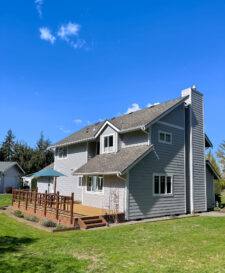
What the Coastal Climate Does to Windows Over Time
A few things about this region make window wear different from what you'd see inland:
- Salt air: Even a few miles from the water, airborne salt accelerates corrosion on metal hardware — hinges, locks, balance mechanisms, and screen frames.
- Driving rain: Wind-driven storms push water sideways against the building envelope, testing flashing and sealant details that never get wet in a calmer climate.
- Extended moisture and moss season: Long stretches of damp weather keep wood sills, trim, and cladding wet for days at a time, which is exactly the condition wood rot and mold need to take hold.
- Temperature swings between single-pane glass and warm interiors: Older glass fogs, sweats, and grows condensation on interior sills, which over time damages the wood and paint around the window.
None of this means Bellingham is uniquely harsh — it just means the details matter more here. Flashing, sealant choice, and drainage paths that are optional in a dry climate are not optional here.
Signs Your Windows Are Telling You Something
Most homeowners don't think about their windows until something is obviously wrong, but there are earlier warning signs worth catching:
- Fogging or a hazy film between panes of double-pane glass (a sign the seal has failed)
- Sashes that stick, drag, or won't stay up without a prop
- Visible gaps around the frame, or daylight showing at the corners
- Soft, spongy, or discolored wood at the sill or bottom corners of the frame
- Noticeable drafts near the window even with it fully closed and locked
- Condensation forming on the inside of the glass regularly during cold months
- Paint that keeps failing in the same spot no matter how often it's touched up
- A noticeable jump in heating costs compared to similar homes nearby
Any one of these on its own might just mean a repair. Several of them together, especially soft wood, usually mean it's time to talk about replacement.
Repair or Replace? How We Help You Decide
We don't default to recommending full replacement — a lot of window problems are legitimately fixable, and we'll say so if that's the honest answer. The decision usually comes down to whether the frame itself is still sound.
| Situation | Repair is usually enough | Replacement is usually the better call |
|---|---|---|
| Failed seal, fogged glass | Sash or glass unit swap if frame is solid | If frame is also failing, replace the whole unit |
| Sticking or hard-to-operate sash | Balance repair, hardware adjustment | Rarely needs full replacement on its own |
| Rotted sill or bottom frame corners | Only if rot is limited and caught early | Usually — rot spreads and compromises the seal |
| Drafts and rising energy bills | Weatherstripping and caulk refresh | If glass is single-pane or frame has warped |
| Cosmetic wear, dated look | Refinishing or hardware upgrade | Optional — homeowner preference |
If we open up a window and find the rot goes deeper than expected, we'll tell you before doing anything, not after.
Frame Materials: What Holds Up Here
Vinyl
Vinyl windows are the most common replacement choice in this region, and for good reason — they don't rot, don't need repainting, and hold up well against salt air and moisture since there's no exposed wood or bare metal for corrosion or rot to start on. Quality varies significantly between manufacturers, so we're selective about which lines we install.
Fiberglass
Fiberglass frames cost more up front but expand and contract with temperature at nearly the same rate as glass, which reduces stress on the seals over time — a real advantage given how much this climate cycles between wet and dry, warm and cold. It's a strong option for homeowners planning to stay long-term.
Wood and Wood-Clad
Wood windows still have a place, especially on older homes where matching the original look matters. But bare wood exposed to this much moisture needs real maintenance discipline — regular painting and caulk inspection — or it will fail early. Clad wood (wood interior, aluminum or vinyl exterior shell) is a middle ground that protects the exterior face while keeping a traditional look inside.
Aluminum
Aluminum frames conduct heat and cold efficiently, which isn't a compliment in this climate — they tend to sweat and feel drafty compared to other materials. We don't typically recommend aluminum for full-house replacement here, though it can still make sense for specific applications like storm sashes or commercial storefronts.
Glass Packages That Make Sense for This Climate
Glass matters as much as frame material. A few things worth understanding before you choose:
- Double-pane, low-E glass is the standard baseline now and a meaningful upgrade from anything older than about 20 years.
- Triple-pane adds cost and weight but improves both insulation and sound dampening — worth considering on north- or west-facing walls that take the brunt of winter storms.
- Argon or krypton gas fill between panes improves insulation value; it's a minor cost add that's usually worth it.
- Low-E coatings help control both heat loss in winter and glare/heat gain in summer, and reduce fading on interior furnishings.
We'll walk through the actual performance numbers for whatever product line we're discussing rather than just listing marketing terms — the U-factor and condensation resistance rating tell you more than the glass package name does.
Installation Details That Matter More Here Than Elsewhere
A window is only as good as its installation, and in a climate with this much wind-driven rain, the flashing and sealing details are where problems actually start. Our approach on every job includes:
- Removing old units carefully to inspect the framing underneath for hidden rot before it's covered up again
- Proper flashing integration with the existing wall assembly so water is directed out, not trapped behind the new window
- Correct shimming and leveling so the sash operates smoothly for years, not just on install day
- Sealant selection and application suited to this region's rain exposure, not a generic caulk bead
- A final check of interior and exterior trim so the finished look matches the rest of the house
Skipping any one of these steps is how a brand-new window ends up leaking within a few winters — and it's usually not the window itself that's to blame, it's the installation.
Why a Local Crew Matters for This Kind of Work
Window installation isn't purely a product decision — it's also a judgment call about how a specific house, in a specific spot, needs to be sealed and flashed. A crew that works throughout Whatcom County sees the same regional conditions repeatedly: the same rain patterns, the same moss growth on north-facing walls, the same older housing stock with its particular quirks. That familiarity shows up in the details — knowing where water tends to collect on a given roofline, or recognizing early-stage rot before it's obvious.
Because we also handle siding, roofing, and decks, we're used to looking at a window replacement in the context of the whole exterior envelope. If a window problem is actually being caused by a roofline or siding issue nearby, we'll flag that rather than just replacing the window and leaving the underlying cause in place.
A Few Maintenance Habits That Extend Window Life Here
Whatever windows you have now or install next, a little seasonal attention goes a long way in this climate:
- Clear debris and moss from window wells and nearby gutters before the fall rains pick up
- Check caulk lines around frames each spring and touch up any that have cracked or pulled away
- Keep weep holes on the exterior of vinyl and fiberglass frames clear so water can drain properly
- Wipe down sills after heavy rain if you notice water pooling, especially on west- and south-facing exposures
- Repaint or refinish exposed wood trim before the finish fully breaks down, not after
If your Bellingham home has windows that are drafty, foggy, hard to operate, or just past their useful life, we're happy to take a look and give you an honest read on repair versus replacement. Fill out the form below for a free, no-pressure estimate.