 Sumas Window
 Windows for Kendall Homes
Kendall sits in the foothill country east of Sumas, where Whatcom County's weather doesn't ease up much between October and June. Homes out here take a steady beating from wet, mild winters, damp shoulder seasons, and the kind of persistent moisture that finds every weak seam in a window frame. We've replaced and repaired windows across this part of the county long enough to know that what works on a dry-climate spec sheet doesn't always hold up here, and that a window installed correctly the first time is worth far more than one installed cheap.
This page covers what Kendall homeowners typically deal with, how we approach window work in this area, and what to weigh before you commit to a project.
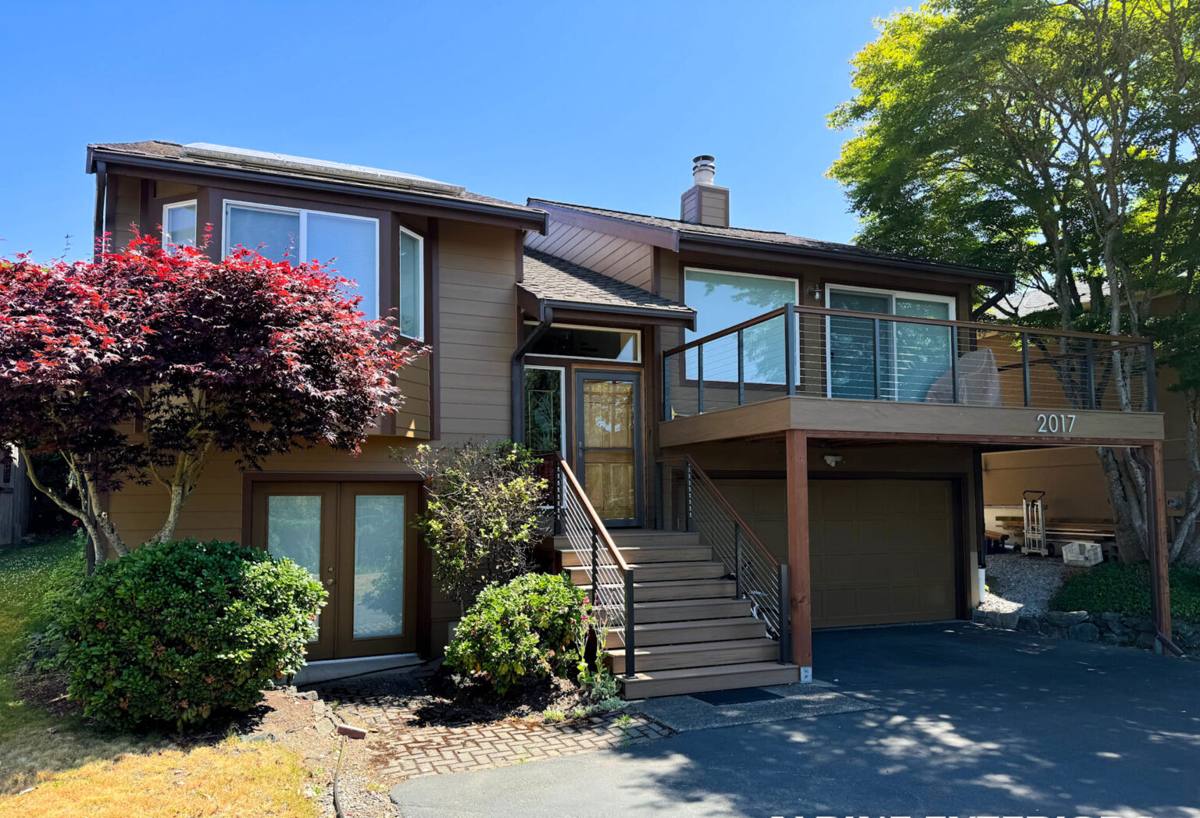
What the Climate Does to Windows Out Here
Whatcom County's marine-influenced weather brings long stretches of driving rain, heavy overnight condensation, and a moss season that can stretch from fall through spring on shaded or north-facing exposures. Salt-tinged air pushing in off the Sound and Strait, combined with that persistent damp, is hard on exposed hardware, sealants, and any material that isn't built to shed water repeatedly without breaking down.
For windows specifically, that plays out in a few predictable ways:
- Wood-frame windows without diligent upkeep start to swell, stick, or rot at the sill and corners within a handful of seasons.
- Failed seals let condensation form between panes, which shows up as permanent fogging that no amount of cleaning fixes.
- Moss and algae take hold on north- and shade-facing trim and can hold moisture against the frame longer than the material was designed to handle.
- Older aluminum-frame windows conduct cold straight through, so interior condensation and drafts show up even when the glass itself is fine.
- Wind-driven rain finds gaps in aging flashing and caulking long before the glass or sash itself fails.
None of this means Kendall is uniquely brutal on windows — it's typical for inland Whatcom County. But it does mean the margin for cutting corners on materials or installation is thinner here than in a drier climate.
Sun, Wind, and Foothill Exposure
Properties closer to open fields or with unobstructed western exposure also deal with more direct sun and wind-driven weather than homes tucked into tree cover. That combination of UV exposure and wind pressure accelerates wear on frame finishes and weatherstripping, which is worth factoring in when you're deciding how much to invest in higher-grade materials versus a builder-basic option.
Signs It's Time to Look at Your Windows
Most window problems show up gradually, so it's easy to get used to a draft or a sticky sash and stop noticing it. A few things worth walking your house and checking for:
- Visible fog or moisture trapped between panes of double-glazed glass
- Windows that are hard to open, close, or lock, or that no longer sit flush in the frame
- Cold air noticeable near the window edge even with it fully closed
- Soft, discolored, or crumbling wood at the sill or lower corners
- Visible moss, black staining, or algae growth on the frame or trim
- A noticeable jump in heating costs without any other explanation
- Condensation forming on the inside of the glass regularly during cold snaps
Any one of these on its own might just mean a repair or resealing job. Several at once, especially on a home with original windows more than 15-20 years old, usually points toward replacement being the more cost-effective long-term move.
How We Approach a Window Project
- On-site assessment. We walk the exterior and interior of every window in question, check for water intrusion, frame condition, and how the current windows are performing against Whatcom County's weather.
- Honest options, not upsells. We'll tell you plainly if a window can be repaired instead of replaced, and we won't push a premium package where a mid-grade option does the job.
- Material and glass selection. We go over frame material, glass package, and finish options based on the exposure of each specific window opening, not a one-size answer for the whole house.
- Proper flashing and sealing. This is where most window failures actually originate — not the window unit itself, but a poorly flashed or sealed installation letting water behind the frame. We treat this step as non-negotiable.
- Cleanup and walkthrough. We confirm every window operates correctly and look right before we consider the job done.
Window Materials: What We Install and Why
There isn't a single "best" window material — the right choice depends on your budget, the exposure of the opening, and how much upkeep you're willing to do. Here's how the common options compare for a climate like this one:
| Material | Moisture Resistance | Upkeep | Typical Lifespan |
|---|---|---|---|
| Vinyl | Very good — won't rot or corrode | Low; occasional cleaning | 20-30+ years |
| Fiberglass | Excellent — stable in wet/dry cycles | Low | 30-40+ years |
| Wood | Fair — needs sealed finish maintained | High; repaint/reseal regularly | Varies widely with upkeep |
| Wood-clad (wood interior, composite exterior) | Good on exterior, needs interior care | Moderate | 25-35 years |
| Aluminum | Good against water, poor thermal performance | Low | 20-30 years |
For most Kendall homes, we steer people toward vinyl or fiberglass frames for exterior-exposed openings, simply because they don't depend on ongoing maintenance to keep moisture out. Solid wood windows can still look great and perform well, but only if someone stays on top of repainting and resealing — which is a real commitment given how much of the year this area stays damp. We won't talk anyone out of wood if that's the look they want; we just make sure they understand the maintenance side going in.
A Note on Older Aluminum-Frame Windows
A lot of homes in this area still have original aluminum-frame windows from decades past. They hold up fine against water, which is why they were common, but aluminum conducts heat and cold directly, so they're usually the weakest link in a home's insulation even when the glass itself hasn't failed. If your heating bills feel high and your windows are original aluminum, that's often the first place worth looking.
Glass Packages and Energy Performance
Double-pane, low-E glass is the standard baseline we install, and it's a significant step up from older single-pane or early double-pane units. For homes with more exposed western or northern faces, or for anyone looking to cut heating costs further, triple-pane glass is worth pricing out — it costs more upfront but performs noticeably better in a climate with this much temperature swing between summer highs and winter lows. We'll walk through the real difference in performance versus cost for your specific home rather than defaulting to the most expensive option.
What Affects the Cost of a Window Project
| Factor | Why It Matters |
|---|---|
| Number and size of openings | More and larger windows mean more material and labor |
| Frame material chosen | Vinyl is typically most budget-friendly; fiberglass and wood cost more |
| Glass package | Double vs. triple pane, low-E coatings, and gas fills all shift price |
| Full-frame vs. insert replacement | Full-frame replaces down to the studs and costs more but corrects underlying rot or flashing problems |
| Access and site conditions | Second-story or hard-to-reach openings take more time |
| Existing damage | Rot or water intrusion found during removal adds repair scope |
We don't publish blanket per-window prices because the honest answer is "it depends," and anyone who quotes you a firm number before seeing the house is guessing. We do give straight, itemized estimates once we've actually looked at the job.
More Than Windows: The Rest of the Exterior
Windows don't fail in isolation — a leaking window is often connected to what's happening with the siding or roofline around it, and vice versa. Because we handle siding, roofing, windows, and decks, we can look at the whole exterior picture rather than just the opening in front of us. If we spot a roofing or siding issue contributing to a window problem while we're on site, we'll tell you, whether or not it's part of the original scope. That's a real advantage of working with one crew that covers the full exterior instead of coordinating separate contractors for each trade.
Why a Local Whatcom County Crew Matters
Window products and installation techniques that work in a dry climate don't automatically translate to a place with this much sustained rain and moss pressure. A crew that works this specific region regularly knows which details — flashing sequencing, sill pan setup, sealant selection — actually matter here, and which manufacturer claims hold up under real Whatcom County weather versus a showroom. We're not driving in from out of the area for a one-off job; we're working on homes throughout Sumas and the surrounding communities, including Kendall, on an ongoing basis, and we stand behind what we install because we're not going anywhere.
If you're dealing with drafty, foggy, or aging windows, or you're planning ahead for a full exterior refresh, we're happy to come take a look and give you a straightforward, no-pressure estimate. Use the form below to get started.