 Sumas Window
 Windows Built for Custer's Corner of Whatcom County
Custer sits in a stretch of Whatcom County that takes weather from two directions at once. You're close enough to the water to catch salt-laden air off the Strait and Birch Bay, and far enough inland to sit under the same heavy, slow-moving rain systems that soak the rest of the county for months at a time. Add the shade from mature evergreens on a lot of properties out here, and you get a climate that's tough on window frames, seals, and finishes in ways that don't always show up until a homeowner is dealing with a drafty room or a sash that won't latch anymore.
We replace windows for homes in Custer and the surrounding Sumas Window Co service area, and we see the same failure patterns often enough that we can usually tell you what's happening before we even get a ladder out. This page walks through what local weather actually does to windows, what your options are, and how we approach the job.
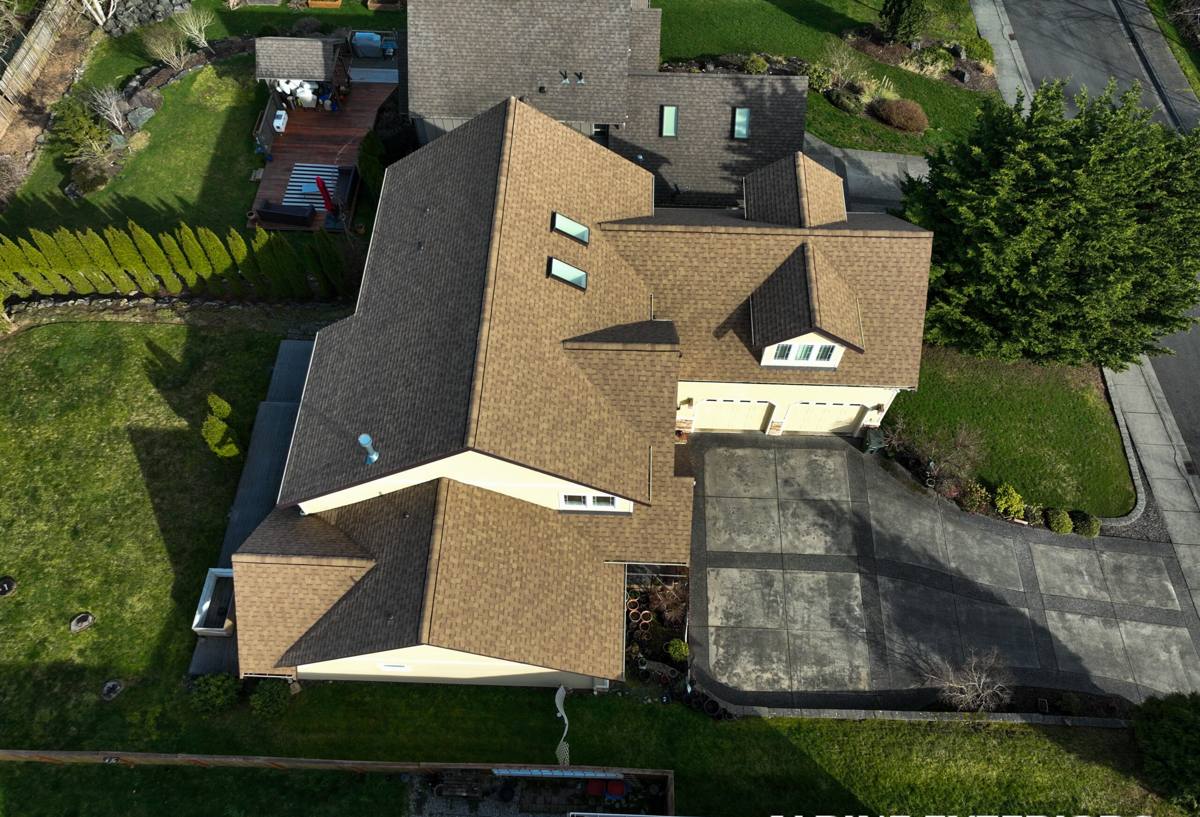
What Whatcom County Weather Does to Windows
Salt Air and Metal Fatigue
Homes closer to Birch Bay and the Strait of Georgia deal with a slow, steady corrosion problem that inland homes don't. Salt-bearing air accelerates the breakdown of aluminum hardware, screen frames, and older steel components inside a window assembly. It's rarely dramatic — you don't see it happen — but over years it pits metal, stiffens hinges and locks, and eats away at finishes faster than the manufacturer's warranty assumed it would. If your windows are original to a home built before better coastal-rated hardware was standard, this is often why they've gotten stiff or hard to operate.
Driving Rain and Wind-Driven Moisture
Whatcom County doesn't just get rain — it gets rain pushed sideways by wind off the water, which finds every weak point in a window's weather seal. Older single-pane and early dual-pane windows were rarely engineered for that kind of lateral pressure. Water gets forced past the sash, behind the trim, or into the wall cavity where you won't see it until you've got a soft spot in the sill or staining on interior drywall. This is the single biggest driver of the emergency calls we get in Custer — not broken glass, but water intrusion nobody caught early.
Moss and Prolonged Shade
Custer has plenty of tree cover, and shaded, damp window sills and frames are exactly where moss and algae take hold. On wood-framed windows, that constant moisture contact is what starts wood rot at the sill and lower corners — usually the first place a window actually fails structurally, long before the glass or hardware gives out. Vinyl and fiberglass frames don't rot, but they still need the moss cleaned off regularly or it holds moisture against the frame and trim longer than it should.
Signs Your Custer Home's Windows Need Attention
- Visible fogging or a permanent haze between panes — the seal has failed and the gas fill is gone
- Soft, spongy, or discolored wood at the sill or lower frame corners
- Windows that are hard to open, close, or lock — often a sign of hardware corrosion or frame swelling
- Drafts you can feel near the frame even with the window fully closed
- Condensation on the inside of the glass during cold, damp stretches
- Visible moss, black staining, or algae buildup on the frame or sill that keeps coming back
- A noticeable jump in heating costs without any other explanation
Choosing the Right Frame Material for This Climate
We install a range of window materials, and the right choice depends on your home's exposure, budget, and how much upkeep you want to take on. Here's how the common options hold up against Whatcom County's rain, salt air, and shade.
| Frame Material | How It Handles This Climate | Maintenance |
|---|---|---|
| Vinyl | Won't rot or corrode; good seal performance against driving rain; solid value | Low — occasional cleaning |
| Fiberglass | Very stable in temperature swings and moisture; strong option for coastal exposure | Low |
| Wood | Classic look but vulnerable to rot at sills and joints in shaded, damp spots without diligent upkeep | High — regular sealing/painting |
| Wood-Clad | Interior wood warmth with an exterior shell that resists moisture better than bare wood | Moderate |
| Aluminum | Durable but prone to corrosion in salt air unless it's a marine-rated finish; conducts cold | Moderate |
For homes in Custer with real coastal exposure, we lean toward vinyl or fiberglass for the frame material itself, paired with corrosion-resistant hardware. We're honest about wood: it can look great, but in a shaded, wet lot it's a genuine maintenance commitment, not a set-it-and-forget-it choice — and we'd rather tell you that upfront than sell you a callback three years from now.
Glass Packages That Actually Matter Here
Whatcom County's mild but persistently damp climate means the glass package matters as much as the frame. A few things worth understanding before you decide:
Dual-Pane vs. Triple-Pane
Dual-pane with a quality low-E coating and argon fill is the standard upgrade for most Custer homes and handles our climate well. Triple-pane adds real value if you're on a busier road, want extra sound dampening, or you're chasing the lowest possible heating bill — but it's a heavier, more expensive unit, and for most single-family homes here the jump in comfort over a good dual-pane unit is modest.
Low-E Coatings
Low-E coatings help hold heat inside during our long cool stretches and cut glare during the brighter summer months. Not all low-E coatings are tuned the same way — some are built more for hot climates than ours — so we help match the coating to how your home actually faces the sun and weather, rather than defaulting to whatever's cheapest.
Seal Quality and Warranty
The weak point in almost every failed dual-pane window we replace isn't the glass — it's the edge seal. In a climate with this much sustained moisture and temperature cycling, seal quality determines whether a window lasts 10 years or 25. We stick with manufacturers that back their seals with a real warranty, and we install to the specs that keep that warranty valid.
How We Approach a Window Replacement in Custer
Every window job starts with an honest look at what's actually going on with your current windows, not just a sales pitch for new ones. We check for rot at the sills, test hardware operation, look for signs of past water intrusion around the frame and interior trim, and talk through what's actually driving the problem — sometimes it's the window, sometimes it's flashing or siding detail around the opening that needs attention too.
Because we also do siding, roofing, and decks, we're used to looking at a window opening as part of the whole exterior envelope, not an isolated fix. If there's flashing or trim work that needs to happen alongside a window swap to keep water out for good, we'll tell you before the job starts, not after.
- On-site assessment of existing windows, frames, and surrounding trim
- Straight talk about what's failing and why — no upsell for its own sake
- Frame and glass recommendations matched to your home's exposure
- Attention to flashing and moisture management around each opening, not just the window unit itself
- Cleanup and haul-away of old windows and materials
Why a Local Crew Matters for This Kind of Work
Window replacement done wrong doesn't fail on day one — it fails two or three winters later, when water finds the one spot that wasn't flashed correctly. That's a hard mistake to catch on a walkthrough, which is why experience with this specific climate matters more than it does in drier parts of the country. A crew that works Whatcom County year-round knows what driving rain off the water does to a poorly sealed opening, and installs accordingly — proper flashing integration, correct sealant choice for constant damp conditions, and hardware that won't seize up from salt exposure in a few years.
We're not a crew flown in for a season. We live with the same weather your windows have to survive, which shapes every recommendation we make.
What Window Replacement Typically Involves
Most single-window replacements in an existing opening (no structural changes) run one to two hours per window once the crew is set up, though older homes with rot or unusual framing can take longer. Whole-home projects are usually scheduled over one to a few days depending on window count and any additional trim or flashing repair needed. We'll walk you through a realistic timeline and a clear scope before any work starts — no vague estimates, no surprise change orders for things we should have caught during the assessment.
Get a Straight Answer About Your Windows
If your windows in Custer are drafty, hard to operate, fogged, or showing rot at the sill, it's worth having a local crew take a real look before you decide what to do. We'll give you an honest read on what's actually wrong, what your options are, and what it would cost to fix it — with no pressure either way. Reach out for a free estimate using the form below.