 Sumas Window
 Roofing in Lynden Isn't the Same Job as Roofing Somewhere Dry
Lynden sits in the same weather system as the rest of Whatcom County — long wet winters, a short dry stretch in summer, and marine air moving in off the Salish Sea that carries more moisture and salt further inland than most homeowners expect. A roof that would hold up fine in a dry climate can start failing years early here if it wasn't built for this weather in the first place. Driving rain gets pushed sideways under poorly sealed flashing. Salt-laden air accelerates corrosion on exposed fasteners and metal components. And the long stretch of damp, shaded months every year is exactly the kind of environment moss thrives in.
None of that means Lynden roofs need to be exotic or overbuilt. It means the details that get skipped on a rushed job — underlayment choice, ventilation balance, flashing at every transition, fastener material — are the details that actually determine whether a roof lasts 15 years or 30 in this climate.
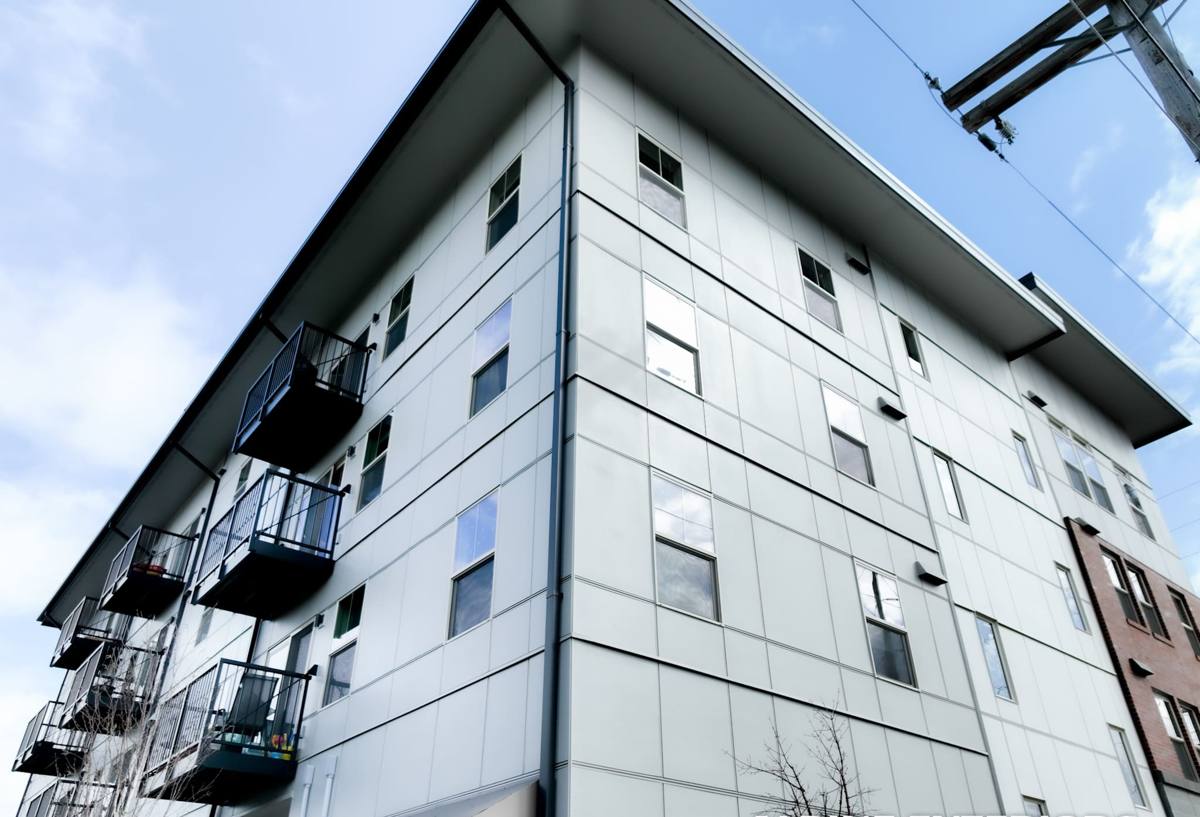
What a Correct Roof Replacement Actually Involves
A roof replacement isn't just stripping old shingles and nailing down new ones. Done right, it's a sequence where every layer supports the one above and below it.
Underlayment and Moisture Barriers
In a climate with this much sustained rain, the underlayment matters almost as much as the shingle itself. Self-adhered ice-and-water membrane at eaves, valleys, and roof penetrations gives you a backup seal in the spots where wind-driven rain is most likely to find a way in. A synthetic underlayment across the rest of the deck holds up far better than old-style felt paper, which can wrinkle and tear when it stays damp for extended periods.
Ventilation Has to Balance, Not Just Exist
A lot of roofs have vents installed without anyone checking whether intake and exhaust are actually balanced. In a wet climate, poor attic ventilation traps moisture, which shortens the life of the decking from underneath — the same decking the new roof is fastened to. Correcting airflow during a replacement is often the single most overlooked step, and it's one that pays off for the life of the roof.
Flashing at Every Transition
Chimneys, skylights, sidewalls, valleys, and any place a roof plane changes direction are where roofs actually leak — it's rarely the open field of shingles. Flashing needs to be replaced, not reused, and installed so water is directed out and away at every layer, not just caulked and hoped for.
Material Options for Lynden Homes
Most homes in this area are well served by one of three roofing systems. The right choice depends on your budget, your roof's pitch and exposure, and how much long-term maintenance you're willing to stay on top of.
| Material | Typical Lifespan | Moss & Moisture Behavior | Maintenance Load |
|---|---|---|---|
| Architectural asphalt shingle | 20–30 years | Moderate moss resistance; algae-resistant granules help but don't eliminate the need for cleaning | Periodic moss/debris removal, gutter checks |
| Standing seam metal | 40–50+ years | Sheds moisture fast, very poor surface for moss to take hold on | Low; occasional fastener and sealant check |
| Synthetic/composite shingle | 30–40 years | Good moisture resistance, resists rot better than wood-look alternatives | Low to moderate |
Broad industry cost ranges for installed roofing in this region typically run somewhere in the range of $4–$9 per square foot depending on material, roof complexity, and how much of the decking underneath needs to be repaired or replaced. Steep pitches, multiple valleys, and dormers all add labor time regardless of which material you choose.
We don't install every product on the market, and that's deliberate. Some lower-end shingle lines and certain wood-shake style products carry maintenance burdens or moisture-related failure patterns that don't match the reality of a wet Whatcom County winter. We'd rather walk a homeowner through the trade-offs honestly up front than sell a product we know is a poor fit for this climate.
Signs Your Roof May Be Telling You It's Time
Most roof failures don't happen suddenly — there's usually a stretch of warning signs first. Worth checking for before the next wet season sets in:
- Granules collecting in gutters or at downspout outlets, a sign shingles are wearing down
- Shingles that are curling, cracking, or visibly lifting at the edges
- Dark streaking or thick moss growth that keeps coming back within a season of cleaning it off
- Daylight visible through the attic roof deck, or damp insulation after a storm
- Sagging in the roofline, especially near valleys or over porches
- Flashing that's rusted, cracked, or separating from the roof plane
- A roof that's simply reaching the back half of its expected lifespan and hasn't had a professional inspection in several years
How Our Process Works
The process is the same whether it's a straightforward gable roof or something with multiple valleys and dormers — the steps don't change, just the amount of time each one takes.
- On-site inspection. We walk the roof, check the attic from inside where possible, and look at flashing, ventilation, and decking condition before quoting anything.
- Written estimate. A clear scope of work and price, with material options laid out honestly rather than upsold.
- Tear-off. Old roofing is fully removed so the deck underneath can actually be inspected, not covered over.
- Deck repair. Any soft, rotted, or water-damaged sheathing gets replaced before anything new goes down.
- Underlayment and flashing installation. This is where the moisture-management details from above get built in correctly.
- New roofing installed per manufacturer specification, including proper nailing patterns and ventilation components.
- Cleanup and walkthrough. Magnetic sweep for stray fasteners, debris hauled off, and a final walk of the finished roof with the homeowner.
Moss, Debris, and Keeping a New Roof New
A new roof in Lynden still needs a little upkeep to reach its full lifespan — the climate doesn't change once the old shingles come off. Zinc or copper strips installed near the ridge during replacement help suppress moss regrowth over time as rain washes trace metal down the roof plane. Keeping overhanging branches trimmed back reduces both shade and the steady drop of needles and leaves that hold moisture against the surface. Gutters clear of debris matter just as much as the roof itself — a clogged gutter backs water up under the first course of shingles, which is a common and preventable cause of edge rot.
None of this is complicated, but it's the kind of maintenance that gets skipped when nobody mentions it at install. We walk every homeowner through what their specific roof and yard setup will need.
Permits, Timing, and Working Around Whatcom County Weather
Roof replacement permitting requirements vary by jurisdiction, and we handle that process as part of the job rather than leaving it on the homeowner. Timing matters more here than in drier regions — the driest, most predictable install windows tend to fall in the summer and early fall months, and scheduling around forecasted rain is a normal part of planning any tear-off. A roof should never be left exposed with a storm in the forecast, and a crew that works this area regularly knows how to plan a job so the deck isn't sitting open when the weather turns.
Why It Matters That We Already Work in Lynden
A roof crew that only passes through Whatcom County occasionally is guessing at things a local crew already knows — how exposed a property is to wind coming off open farmland, which materials actually hold up through a full wet season here instead of just looking good on install day, and how to sequence a job around a weather pattern that doesn't always cooperate. That local familiarity shows up in small decisions throughout a job: where extra ice-and-water membrane is worth the cost, which valleys need reinforced flashing, and how much ventilation a particular attic actually needs given its size and roof pitch.
It also matters for accountability. A local roofing crew has a reputation in the community to stand behind, and warranty or follow-up work isn't a phone call to a call center — it's a truck that can be back out to the property within a reasonable drive.
Get a Straightforward Estimate
If your roof is showing wear, past its expected lifespan, or you just want an honest opinion on what condition it's really in, we're happy to take a look. The estimate is free, there's no pressure attached to it, and you'll get a clear answer about what your roof actually needs — use the form below to get started.