 Sumas Window
 Asphalt Shingle Roofing for Huntingdon, BC Homes
Huntingdon sits right on the border with Sumas, tucked against the Fraser Valley with Sumas Mountain rising close by. It's a small community, but the roofs here take a beating that has nothing to do with size. Wet Pacific air moves through the valley for months at a time, wind funnels down off the mountain, and shaded rooflines hold moisture long after the rest of the yard has dried out. Asphalt shingle roofing is still the right call for most homes in this area — it's cost-effective, it repairs easily, and it performs well when it's installed correctly for the conditions. The problem we run into again and again isn't the material, it's the installation. A shingle roof put on without attention to ventilation, flashing, and moss-prone valleys will fail here years before it should.
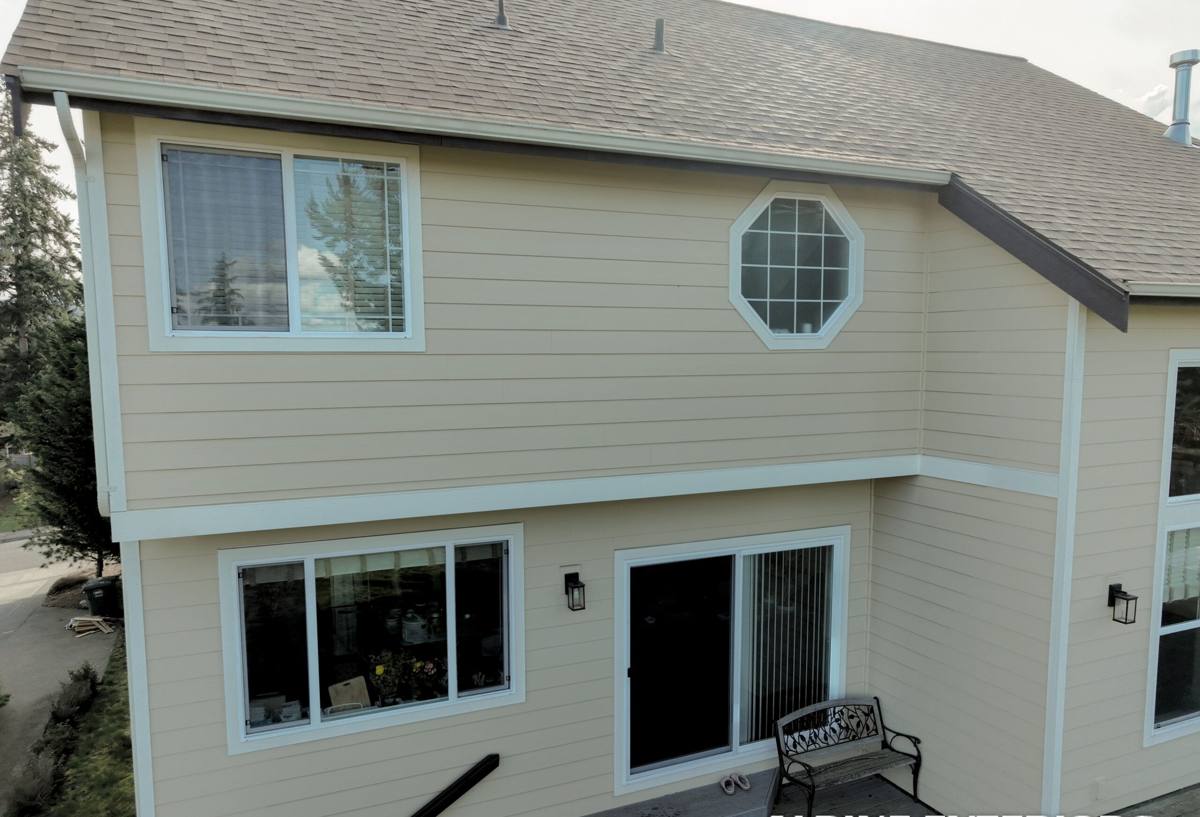
What the Local Climate Actually Does to a Shingle Roof
Whatcom County and the Fraser Valley share the same weather pattern: long stretches of driving rain from fall through spring, damp air that lingers under tree cover, and a moss season that can run eight or nine months out of the year. None of that is exotic — it's just persistent, and persistence is what wears a roof down. A few specific things happen to shingle roofs in this exact setting:
- Moss and algae take hold on north-facing slopes and anywhere shaded by fir or cedar, lifting shingle edges and holding water against the mat underneath.
- Driving rain, pushed sideways by wind off the mountain, finds its way under shingles that are lapped correctly for calm weather but not for wind-driven moisture.
- Freeze-thaw cycles are mild but frequent — enough to work water into small cracks over a winter without ever producing a hard freeze that would make the damage obvious.
- Humid, still air trapped in a poorly ventilated attic speeds up shingle aging from underneath, which is invisible until you're dealing with soft decking or premature granule loss.
None of this means asphalt shingles are a poor fit — it means the install has to account for these conditions from the start, not patch around them later.
What a Correct Installation Looks Like Here
Underlayment and Ice/Water Protection
We run self-adhered ice-and-water membrane at eaves, valleys, and around every penetration — not just because code may call for it in places, but because those are exactly the spots where wind-driven rain and moss backup cause leaks in this region. Synthetic underlayment across the field gives a second line of defense that doesn't degrade the way old felt does when it stays damp for weeks.
Ventilation
A shingle roof in a wet climate needs balanced intake and exhaust ventilation, full stop. Without it, moisture from inside the house gets trapped against the underside of the decking, which shortens shingle life and can rot sheathing before you ever see a stain on the ceiling. We check baffles, soffit vents, and ridge venting on every re-roof — it's one of the most commonly skipped steps on older Huntingdon-area homes.
Flashing
Step flashing at walls and chimneys, proper counter-flashing, and valley metal or woven valleys done to spec — this is where cheap roofs leak first. Flashing is metal, not shingle, and it's the part of the roof most often reused or half-installed to save time. We don't reuse old flashing on a full replacement.
Fastening and Wind Exposure
Given the wind that comes through the valley, we nail to the manufacturer's high-wind pattern, not the minimum spec, and use six nails per shingle in exposed areas rather than four. It costs a little more labor and a few more nails; it's cheap insurance against blow-offs in a winter storm.
Choosing the Right Shingle for This Area
Not every asphalt shingle product handles a wet, mossy climate the same way. We steer homeowners toward architectural (laminated) shingles with algae-resistant granules over basic three-tab in almost every case here — the extra thickness sheds water better and the copper- or zinc-infused granules slow moss and algae growth on shaded slopes. It costs more up front, and it's worth it given how long moss season runs in this part of the valley.
| Shingle Type | Typical Lifespan Here | Moss/Algae Resistance | Wind Rating |
|---|---|---|---|
| 3-Tab Asphalt | 12–18 years | Low unless treated | Lower, standard nailing |
| Architectural (Laminate) | 20–30 years | Good with AR granules | Higher, rated to 110–130 mph |
| Impact-Resistant Laminate | 25–30+ years | Good with AR granules | High, added mat strength |
Lifespans above assume correct ventilation and flashing — a well-built roof with a mediocre shingle will still outlast a poorly built roof with a premium one.
Our Process for a Huntingdon-Area Re-Roof
- On-site inspection. We walk the roof, check the attic for ventilation and moisture signs, and look at decking condition before quoting anything.
- Honest scope. We tell you what's actually needed — full tear-off versus repair, how much decking replacement to expect, whether ventilation upgrades are warranted.
- Written estimate. Materials, labor, flashing detail, and timeline spelled out, no vague allowances.
- Tear-off and deck inspection. Old material comes off completely; soft or rotted decking is replaced, not covered over.
- Underlayment, flashing, and shingle installation to the standards above, with attention to valleys and shaded slopes where moss has historically been a problem.
- Final walkthrough so you can see the completed work and ask questions before we consider the job done.
Repair, Maintenance, or Full Replacement?
Not every roof in Huntingdon needs a full tear-off. We look at the whole picture — age, decking condition, how many layers are already up there, and how localized the damage is — before recommending anything.
Signs a Repair Might Be Enough
- Isolated missing or damaged shingles after a windstorm, with the rest of the roof in solid shape
- A single flashing failure at a chimney or wall causing a localized leak
- Moss buildup with no granule loss or soft spots underneath
Signs You're Looking at Replacement
- Widespread granule loss, curling, or cracking across multiple slopes
- Soft or spongy decking found during inspection
- Roof is already at or past the shingle's rated lifespan and showing multiple problem areas
- Repeated leaks in different spots rather than one recurring location
Routine maintenance matters too. Annual moss treatment and gutter clearing go a long way toward getting full life out of a shingle roof in a climate like this — it's cheap compared to the cost of trapped moisture working into the deck over a few wet winters.
Cost Factors Homeowners Should Understand
| Factor | Why It Matters Here |
|---|---|
| Roof pitch and access | Steeper or harder-to-access roofs take longer and need more safety setup |
| Number of layers to remove | Older homes sometimes have two layers of shingles requiring extra tear-off labor |
| Decking condition | Rot from long-term moisture exposure means replacing sheathing, not just shingles |
| Shingle grade | Basic vs. architectural vs. impact-resistant changes material cost and expected lifespan |
| Valley and flashing complexity | More valleys, dormers, and penetrations mean more flashing labor |
Why a Crew That Already Works Huntingdon and Sumas Matters
A roofer who works this specific corner of the border — Sumas, Huntingdon, and the surrounding Whatcom County communities — already knows which slopes hold moss the longest, how wind behaves coming off Sumas Mountain, and what decking condition to expect on homes of a given age in this area. That's not something you get from a crew that mostly works somewhere drier or somewhere with a completely different wind pattern. It shows up in small decisions: where we add extra ice-and-water membrane, how we vent an older attic that wasn't built with today's insulation standards, which shaded valleys get treated shingles versus standard ones. Those decisions add years to a roof's life, and they come from local experience, not a manufacturer's install sheet alone.
A Simple Pre-Winter Checklist
- Check for moss buildup on north-facing slopes and shaded valleys
- Clear gutters and downspouts so water isn't backing up under the eaves
- Look for lifted, cracked, or missing shingles after any wind event
- Check attic insulation and ventilation for signs of trapped moisture
- Have flashing around chimneys and walls inspected if the roof is more than 10 years old
If your roof in Huntingdon is showing its age, dealing with recurring leaks, or you're just planning ahead before the wet season sets in, we're happy to take a look. The estimate is free, there's no pressure, and you'll get a straight answer about whether you need a repair or a full replacement.