 Sumas Window
 Windows Built for the Huntingdon, BC Side of the Border
Huntingdon sits right at the Sumas–Huntingdon border crossing, close enough to our shop in Sumas that we treat it as part of our regular service area rather than a special trip. That proximity matters more than it sounds like it should, because the housing stock, the weather, and the day-to-day wear on a window are essentially the same on both sides of the line — even though the paperwork and the efficiency standards that apply to your home are not. We'll get into that difference later in this page, but the short version is: a window that's a smart choice in Sumas is usually a smart choice in Huntingdon too, and a crew that already works both towns doesn't have to relearn the climate every time.
This page is about one thing specifically — energy-efficient window replacement for homes in and around Huntingdon, BC. Not a general overview of every service we offer, just what local homeowners actually need to know before they spend money on windows in this climate.
What This Climate Does to a Window Over Time
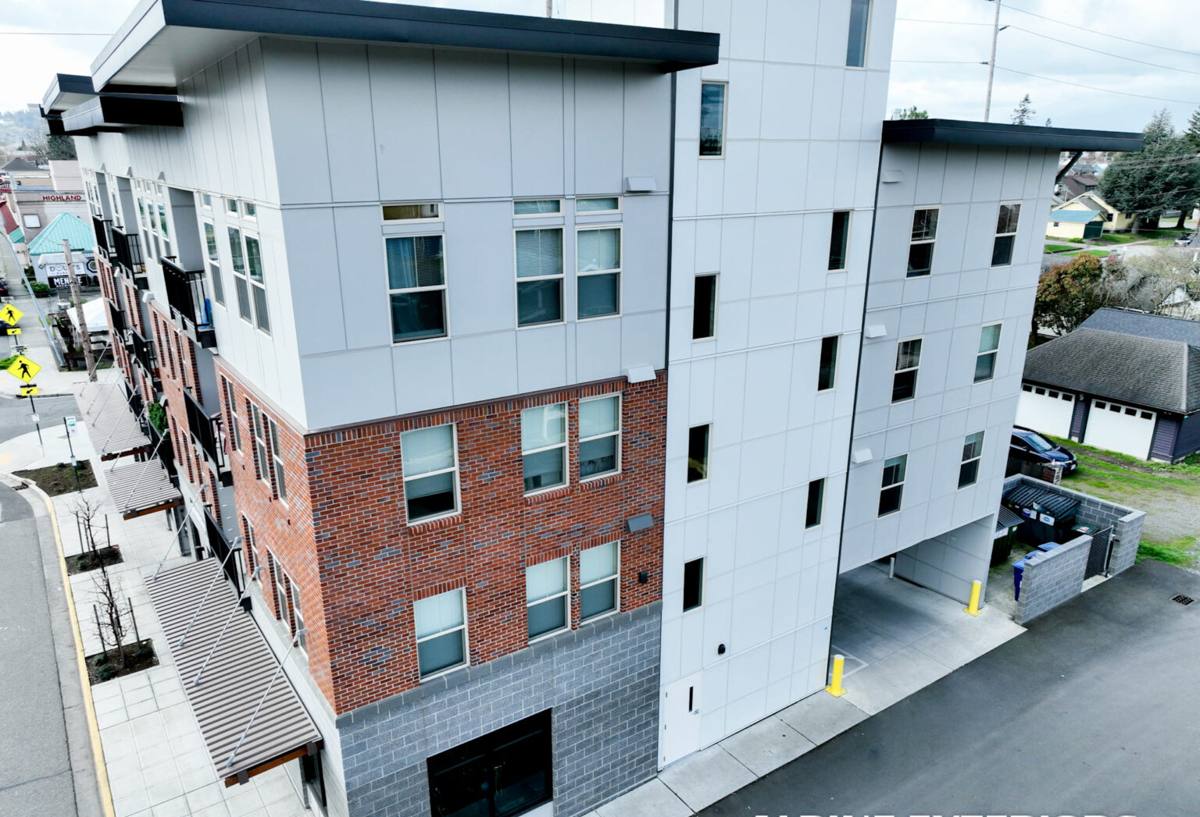
The Fraser Valley funnels a lot of moisture through this corridor. Homes here deal with long stretches of driving rain, marine-influenced air that carries a fine salt content even well inland from the Strait of Georgia, and a damp season long enough that moss gets a real foothold on north-facing trim, sills, and anything shaded most of the day. None of that is dramatic on its own, but it's relentless, and windows are one of the first places it shows up as a maintenance problem.
Where the Damage Actually Starts
It's rarely the glass itself. It's the frame material breaking down, the sealant around the perimeter drying out and cracking, or moss and organic buildup holding moisture against wood trim and sills longer than it should sit there. Once water finds a way behind the exterior trim, it doesn't take long for rot or seal failure to follow — and by the time you notice fogging between panes or a draft you can feel with your hand, the problem has usually been developing for a while.
What "Energy-Efficient" Actually Means for a Window
"Energy-efficient" gets used loosely in this trade. For a homeowner comparing options, three numbers do most of the real work:
U-Factor
This measures how much heat the window lets escape — lower is better. In a climate with a long heating season and persistent cool, damp weather, U-factor is usually the number that affects your winter heating bill the most.
Solar Heat Gain Coefficient (SHGC)
This measures how much solar heat comes through the glass. Around here, where summers are mild and winters are the bigger concern, a moderate-to-higher SHGC on south- and west-facing windows can actually help with passive winter warmth, while east-facing rooms may want a lower number to manage morning glare and overheating.
Glazing, Gas Fill, and Low-E Coatings
Double-pane windows with a low-emissivity (Low-E) coating and an argon gas fill are the standard, sensible choice for most homes in this area. Triple-pane windows push performance further but add cost and weight, and the marginal energy savings over a good double-pane unit are often smaller than homeowners expect for this specific climate — we'll walk through that trade-off honestly when we look at your actual home, rather than upselling triple-pane as a default.
The Cross-Border Wrinkle: US vs. Canadian Standards
This is the part that's genuinely specific to Huntingdon and doesn't come up on the Sumas side of a project. The United States rates window performance through the National Fenestration Rating Council (NFRC) and the US ENERGY STAR program, which uses climate-zone ratings. Canada rates windows through CSA standards and its own ENERGY STAR program, which uses a different zone system (broadly, Zones A through C based on regional severity) and its own energy rating (ER) calculation that weighs U-factor, solar gain, and air leakage together.
In practice, that means a window labeled and rated for the US market isn't automatically rated the same way for a Canadian home, even though Huntingdon and Sumas are minutes apart and see nearly identical weather. If a rebate program, home energy audit, or resale disclosure in BC ever asks for a Canadian ENERGY STAR rating, a US-only label won't satisfy it. We flag this up front with Huntingdon homeowners so there are no surprises — and we can source and spec products that carry the right documentation for whichever side of the line the paperwork needs to match.
Frame Materials: What Holds Up Here and What Doesn't
Frame material is where most of the long-term performance and maintenance difference actually lives — more than most homeowners expect going in.
| Frame Material | How It Handles This Climate | Maintenance | Relative Cost |
|---|---|---|---|
| Vinyl | Good moisture resistance, doesn't corrode from salt-tinged air, stable in temperature swings | Low — occasional cleaning | Lower to mid |
| Fiberglass | Excellent — very stable, resists warping and doesn't corrode, holds paint well if you want a color change later | Low | Mid to higher |
| Wood / Wood-Clad | Attractive but needs a sound exterior cladding or finish to keep rain and damp out; most vulnerable to moss-related moisture if trim isn't maintained | Higher — periodic finish/caulk upkeep | Higher |
| Bare Aluminum | Conducts cold (condensation risk) and is more prone to pitting from salt-influenced coastal air over time | Moderate | Lower to mid |
Our standard recommendation for most Huntingdon homes is vinyl or fiberglass, specifically because of the moisture and salt-air exposure this area gets. We're not against wood-clad windows — some homes call for the look — but we're upfront that they demand more upkeep here than they would in a drier inland climate, and we'll say so rather than let a homeowner find out the hard way in year six.
What a Correct Installation Actually Involves
The window unit itself is maybe a third of what determines how it performs long-term. The other two-thirds is installation detail — and in a climate with this much driving rain, installation mistakes show up faster and worse than they would somewhere dry.
The Details That Matter Most Here
- Proper sill pan flashing so any water that does get past the exterior has somewhere to drain, not somewhere to pool
- Weather-resistant barrier integration that ties correctly into the existing wall assembly, not just caulked over the gap
- Correct shimming and squaring so the sash operates smoothly and the seals compress evenly for years, not just on day one
- Quality exterior and interior sealant applied in the right sequence — sealing the wrong layer traps moisture instead of shedding it
- Trim and cladding reinstalled tight enough to resist wind-driven rain, since a loose reveal is an open invitation for moss and damp to set in
Common Failure Points We See in This Region
Most callbacks we get on other contractors' work trace back to flashing that was skipped or done backward, and caulk used as the primary water barrier instead of proper flashing and drainage. Caulk is a backup, not a strategy, in a climate that gets this much sustained rain.
Our Process for a Huntingdon, BC Project
- On-site assessment — we look at each window's current condition, orientation (sun exposure matters for glazing choice), and any existing moisture or rot issues before recommending anything
- Product and glazing recommendation — matched to the specific window's exposure and to whichever efficiency standard (US or Canadian) is relevant to your situation
- Accurate measurement and ordering, with realistic lead-time expectations communicated up front
- Installation day — proper removal, flashing, and sealing as outlined above, with the work area protected and cleaned up as we go
- Final walkthrough — operation checked on every window, and a plain explanation of any care the specific frame material needs going forward
We don't handle immigration, customs, or cross-border permitting on your behalf, but our crews are experienced with the logistics of working this corridor, and we'll tell you plainly if a permit or inspection from your local building authority applies to your project so you can confirm requirements before work starts.
Signs Your Current Windows Are Already Costing You Money
- Visible fogging or moisture between the panes — the seal has failed and the insulating gas is gone
- A draft you can feel with your hand near the frame on a windy day
- Moss or dark staining building up on the sill or lower trim that keeps coming back after cleaning
- Difficulty opening, closing, or locking the sash — often a sign the frame has shifted or swollen
- Condensation forming on the inside of the glass regularly, especially in colder months
- Noticeably higher heating bills compared to similar-sized homes nearby
Why It Matters That We Already Work This Border Community
A crew that only occasionally crosses into this specific corner of the Fraser Valley has to relearn the local weather pattern, the standards question, and the practical realities of scheduling and materials each time. Because Huntingdon is effectively next door to our Sumas base, it's a normal part of our route rather than a special case — we're not guessing at what driving rain and a long moss season do to a window here, and we're not surprised by the US/Canada ratings question because we deal with it regularly. That familiarity translates into fewer surprises for you, on cost, on timeline, and on what the finished job actually needs to hold up.
If your windows are drafty, fogged, hard to operate, or you're just planning ahead for a remodel, we're happy to take a look and walk you through honest options for your specific home. Use the form below to request a free, no-pressure estimate.