 Sumas Window
 Why Blaine Decks Wear Out Faster Than People Expect
Homeowners near Blaine often assume a deck should last twenty-plus years without much attention. In this corner of Whatcom County, that assumption doesn't hold up. The combination of salt-laden air off the water, long stretches of driving rain, and a moss season that can run from October through May puts real, ongoing stress on any outdoor structure. A deck that would coast along for decades in a dry inland climate can show rot, fastener corrosion, and surface failure in half that time here if it wasn't built or finished with this environment in mind.
We see the same failure patterns over and over on Blaine deck replacements: ledger boards that trapped moisture against the house, joists that never got proper flashing tape, decking boards laid too tight to shed water, and hardware that corroded years before the wood itself gave out. None of that is unusual — it's what happens to a deck built to a generic spec instead of one built for this specific climate.
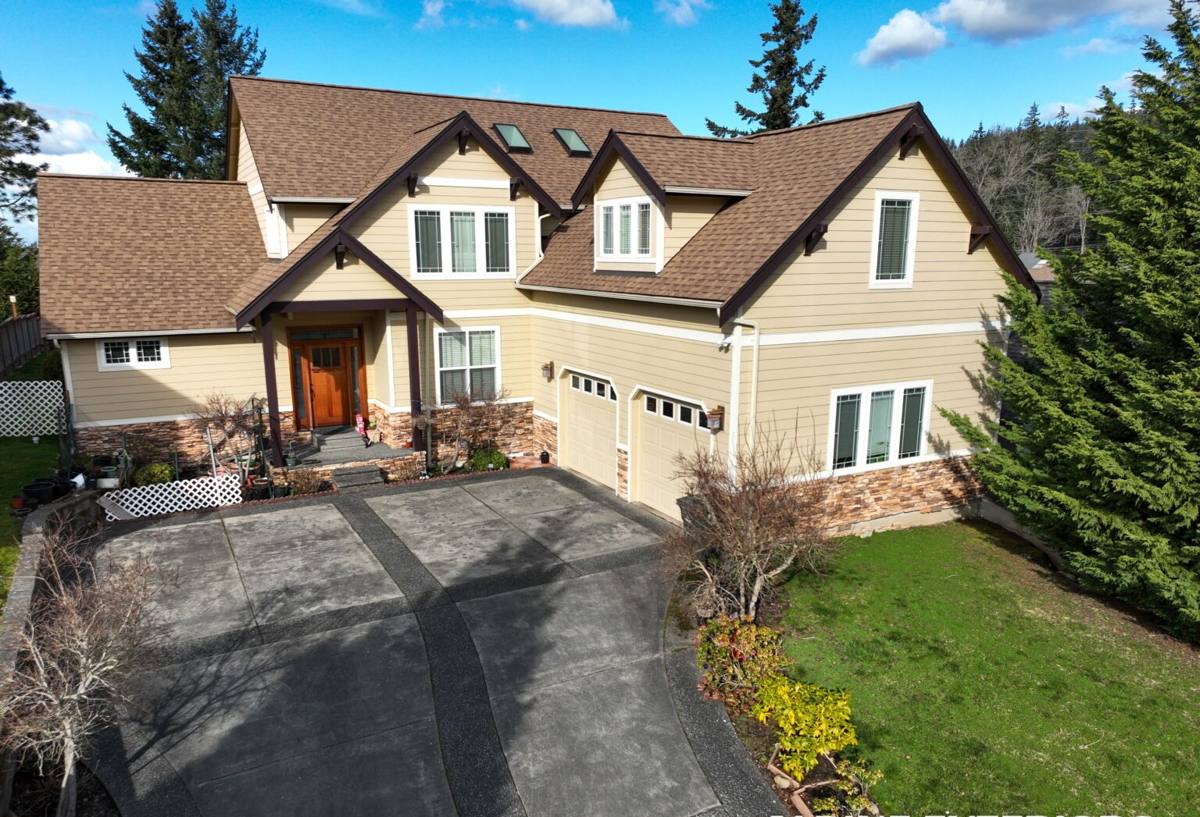
What Salt Air and Moisture Actually Do to a Deck
Salt Air and Fasteners
Airborne salt accelerates corrosion on any exposed metal — nails, screws, joist hangers, and post bases. Once a fastener starts to corrode, it loses holding strength long before it looks obviously bad from the top of the deck. That's part of why a deck can look fine from a quick glance and still have a structurally compromised frame underneath.
Driving Rain and Water Intrusion
Rain that comes in at an angle, rather than falling straight down, gets driven up under deck boards, into ledger connections, and behind fascia in ways that vertical-only rain doesn't. Without the right flashing details and gapping, that water has nowhere to go and ends up sitting against wood fibers or masked behind trim.
Moss and Surface Breakdown
A long moss season means organic growth gets a real foothold on horizontal wood surfaces, especially in shaded spots or wherever boards don't dry out between rain events. Moss holds moisture directly against the wood surface, which speeds up decay and makes boards slick and unsafe underfoot.
Signs a Blaine Deck Needs Replacing, Not Just Repair
- Soft, spongy, or springy spots when you walk across the decking
- Visible rot or dark staining around the ledger board where the deck meets the house
- Rust streaks running down from screws, nails, or hardware
- Persistent moss or algae that returns within weeks of cleaning
- Railing posts that wiggle or feel loose at the base
- Gaps between boards that have closed up (wood swelling) or widened unevenly (shrinkage and cupping)
- A structure that's more than 15-20 years old and has never had the frame inspected
If you're only seeing one or two of these, a targeted repair might make sense. Once several show up together, it usually means the frame and decking are failing as a system, and patching individual boards just delays a full replacement while masking what's happening underneath.
What a Correct Deck Replacement Involves
Starting With the Ledger and Frame
The ledger board — where the deck attaches to the house — is the single most common point of failure we find on older Blaine decks. A correct replacement means removing the old ledger connection entirely, inspecting the rim joist and sheathing behind it for hidden rot, and installing new ledger flashing that directs water away from the house rather than letting it pool at the connection point. This step gets skipped or shortcut more than any other, and it's the one that causes the most expensive damage down the road.
Footings and Posts
We check existing footings for frost depth and bearing capacity rather than assuming they're adequate just because the old deck stood on them. In wetter, moss-prone yards, post bases get set to keep wood clear of standing water and soil contact, which is one of the simplest ways to add years to the structure's life.
Joists, Hangers, and Fasteners
Given how hard salt air is on standard hardware, we specify corrosion-resistant joist hangers and fasteners rated for the coastal exposure this area actually sees, not just whatever meets minimum code in a drier climate. Joist tape over the top of each joist keeps water from wicking into end grain and screw penetrations, which is one of the cheaper upgrades that pays off the most over time.
Decking Material and Board Gapping
Board spacing gets set to allow for material expansion and proper drainage, not just eyeballed for a tight, uniform look. Tighter gaps trap debris and hold moisture; too wide and the deck feels unfinished. Getting this right is part craft, part knowing how the specific material you chose moves with moisture and temperature.
Choosing a Decking Material for This Climate
| Material | Moisture Behavior Here | Maintenance | Typical Lifespan Locally |
|---|---|---|---|
| Pressure-treated lumber | Absorbs moisture readily; needs consistent sealing to resist moss and rot | Annual cleaning and re-sealing recommended | 10-15 years with upkeep |
| Cedar | Naturally rot-resistant but still needs finish maintenance in driving rain | Periodic staining/sealing | 15-20 years with upkeep |
| Composite decking | Doesn't absorb water into the board itself; less prone to moss taking hold | Occasional washing; no sealing | 25-30 years |
| PVC/capped polymer | Fully sealed surface; best resistance to moss and salt-air staining | Occasional washing | 25-30+ years |
There's no single "right" material for every homeowner — budget, look, and how much upkeep you want to do all factor in. What matters most is matching the framing details and fastener choices to whatever surface material you pick, since a great composite board installed over an under-flashed frame will still fail from the bottom up.
Our Deck Replacement Process
- On-site assessment: We inspect the existing deck, ledger connection, footings, and framing to determine what's actually salvageable versus what needs full replacement.
- Written estimate: You get a clear scope of work and pricing before anything is torn out, including material options suited to this climate.
- Permitting: Deck replacements of most sizes require a permit through the local jurisdiction; we handle that paperwork so it's not on you to figure out.
- Demo and disposal: Old decking, framing, and hardware are removed and hauled off.
- Frame and flashing work: New ledger flashing, joist hangers, and corrosion-resistant fasteners go in first, before a single deck board is placed.
- Decking and railing installation: Boards are laid with correct gapping, and railings are set and checked for a solid, code-compliant connection.
- Final walkthrough: We go over the finished deck with you, including basic care guidance specific to the material you chose.
Why It Matters to Hire a Crew That Already Works Blaine
A deck built to a generic national spec sheet isn't necessarily built for what this stretch of Whatcom County actually throws at it. Crews unfamiliar with the local conditions sometimes under-flash ledger boards, use standard-grade fasteners instead of corrosion-resistant ones, or space boards without accounting for how much moisture cycling happens here through a wet winter. Those shortcuts don't show up as problems on day one — they show up two or three winters later, once the damage is already done and harder to fix.
Working regularly in this area means we've seen which details actually matter for a Blaine deck versus what's fine to build to standard spec. That's not a marketing claim — it's the practical result of dealing with the same salt air, the same driving rain, and the same moss season on job after job.
Maintaining a New Deck in This Climate
- Rinse or sweep debris off the deck surface regularly, especially in fall when leaves and needles accumulate
- Clean moss and algae promptly rather than letting it establish — the longer it sits, the more it holds moisture against the surface
- Check railing posts and stair connections once a year for looseness
- Keep gutters and downspouts near the deck clear so runoff isn't dumping extra water onto or near the structure
- If you chose wood, plan on a sealing or staining schedule and stick to it — this is the single biggest factor in how long wood decking actually lasts here
- Trim back vegetation that keeps sections of the deck shaded and slow to dry
Cost Factors to Expect
Every deck replacement is priced around the specifics of the job, but the factors that move the number most are: deck size and height off the ground, whether footings need to be replaced or just reinforced, how much rot has already spread into the framing before you replace it, the decking material you choose, and any railing or stair complexity. A deck caught early — before rot spreads from the ledger into the joists — almost always costs less to replace than one where the damage has been allowed to spread through the whole frame.
If your deck is showing any of the wear signs above, or you'd rather get ahead of it before another wet Whatcom County winter, we're happy to take a look. Reach out for a free, no-pressure estimate using the form below.