 Sumas Window
 Windows Built for Goshen's Weather
Homes in the Goshen area near Sumas take a steady beating from the weather most of the year. Salt-tinged air moving in off the water corrodes hardware and dulls finishes faster than homeowners expect. Driving rain, often pushed sideways by wind, finds every gap in old flashing and worn-out weatherstripping. And Whatcom County's long, damp moss season means anything with a horizontal ledge — sills, meeting rails, bottom tracks — stays wet longer than it should. None of this is dramatic on its own, but together it wears window assemblies down years faster than the same product would last in a drier climate.
That's the backdrop for every custom window job we do in Goshen. We're not just matching an opening — we're building an assembly that can shed water, resist moisture intrusion, and keep working smoothly after a decade of wet Whatcom County winters.
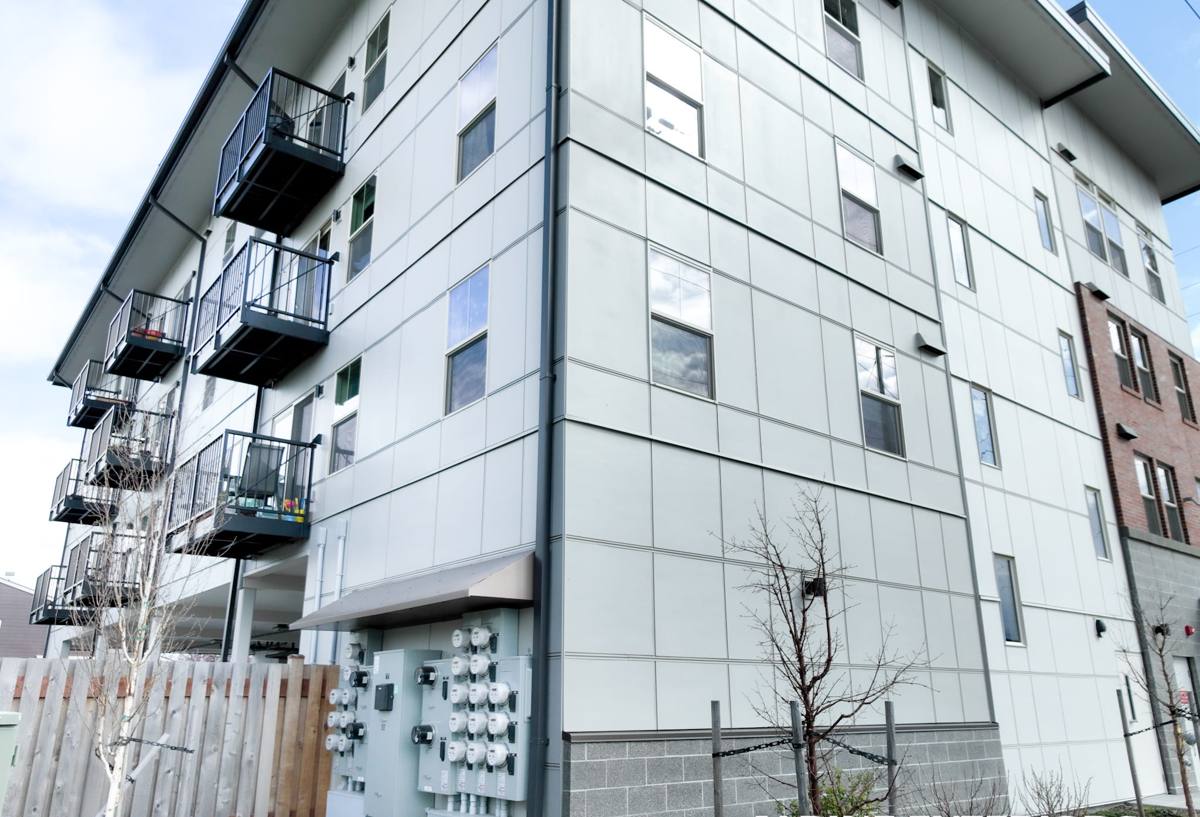
What "Custom" Actually Means for a Goshen Home
Goshen has a mix of housing stock — older farmhouses and rural homes with openings that were never standard sizes to begin with, newer construction with more consistent framing, and everything in between. "Custom" doesn't mean fancy; it means the window is built to fit the actual opening in your actual wall, not the other way around.
Common situations that call for a true custom fit
- Openings that have shifted slightly out of square over decades of settling
- Non-standard or oddly proportioned window sizes from an earlier renovation
- Trim, siding, or interior casing you want to keep intact rather than rebuild
- Mixed window styles on one elevation that need to look intentional, not patched together
- Older sash or frame material that's failing but the rough opening itself is sound
Forcing a stock-size window into an opening that doesn't match it is one of the most common causes of leaks and premature failure we see. A correct custom job starts with an accurate measurement of what's actually there, not an assumption based on the window's age or style.
How We Approach a Goshen Window Job
The process is straightforward, but every step matters more in this climate than in a drier one, because any shortcut shows up as a leak or a drafty window within a season or two.
Step by step
- Walkthrough and assessment. We look at each opening, the condition of the surrounding wall, sill, and trim, and note anything unusual — settling, rot, prior repairs.
- Precise measurement. Every opening is measured individually. We don't assume two windows on the same wall are identical, because on older homes they often aren't.
- Product selection. Based on exposure (which walls take the most wind-driven rain), sun, and your budget, we go over material and glass options that make sense for that specific opening.
- Removal. Old units come out carefully to protect interior finishes and to give us a clean look at the framing and sill condition underneath.
- Flashing and sealing. This is the step that determines whether the window lasts. Proper flashing, a continuous water-resistive barrier, and correctly sequenced sealant are what actually keep driving rain out — the window itself is only part of the system.
- Installation and shimming. The unit is set square and plumb, shimmed correctly so it doesn't bind, and fastened per the manufacturer's specifications.
- Interior and exterior finish work. Trim, caulking, and touch-up are completed to match the rest of the home.
- Final walkthrough. We test operation, check the seal, and walk the job with you before we call it done.
Material and Glass Choices for This Climate
There's no single "best" window material — the right choice depends on exposure, maintenance appetite, and budget. What we won't do is recommend a product that looks good on paper but creates a maintenance headache in a wet, mossy climate. Here's how the common options stack up for a Goshen-area home:
| Material | How it handles this climate | Maintenance |
|---|---|---|
| Vinyl | Good moisture resistance, won't rot; performance depends heavily on installation quality | Low — occasional cleaning |
| Fiberglass | Very stable in wet/cold swings, holds paint and finish well over time | Low to moderate |
| Wood (clad exterior) | Strong look and insulation value; exterior cladding protects the wood from driving rain | Moderate — interior wood still needs attention |
| Aluminum | Durable but conducts cold and can condense; less common as a primary choice here | Low, but condensation control matters |
Glass packages worth considering
Dual-pane glass with a low-E coating and argon gas fill is the practical standard for this area — it cuts heat loss and reduces condensation risk on cold, damp mornings. On walls that take the brunt of wind-driven rain, we sometimes recommend a slightly heavier-duty frame or upgraded weatherstripping rather than a fancier glass package, because the frame and seal are usually the weak point before the glass is.
Signs a Goshen Home Needs Window Work
Windows rarely fail all at once — they give warning signs first. Catching these early usually means a cleaner, less expensive job than waiting until there's structural damage behind the wall.
- Fogging or a permanent haze between the panes (a failed seal on dual-pane glass)
- Noticeable draft even with the window fully closed and locked
- Sashes that stick, drop, or won't stay open on their own
- Soft or spongy wood at the sill or lower frame corners
- Moss, algae, or dark staining building up on sills and frames that never fully dry out
- Paint that's bubbling or peeling specifically around the window opening, not the wall generally
What Drives the Cost of a Custom Window Job
We won't quote a number without seeing the openings, but these are the factors that actually move the price up or down on a Goshen job:
| Factor | Why it matters |
|---|---|
| Non-standard sizing | Custom-built units cost more than stock sizes and take longer to source |
| Material and glass package | Vinyl, fiberglass, and clad-wood price differently; upgraded glass adds cost |
| Number of openings | Per-unit cost usually drops somewhat as the total job size grows |
| Condition behind the old window | Rot or water damage found during removal adds repair time before install |
| Trim and finish work | Matching existing trim profiles takes more labor than a plain reinstall |
| Access and story height | Second-story or hard-to-reach openings take longer and need more setup |
Generally, homeowners in this area should expect a broad range depending on these factors — a single straightforward opening costs far less than a full-home replacement with custom sizing and upgraded trim. We'll walk through the specifics for your home during the estimate.
Why Hiring a Crew That Already Works Goshen Matters
A crew that regularly works this specific area knows things a traveling installer doesn't: which wall exposures on Goshen-area homes actually take the worst of the wind-driven rain, how older homes in this part of Whatcom County were typically framed, and how long a given house has likely been dealing with moss and moisture before anyone called about it. That local pattern recognition shortens the diagnostic part of the job and reduces surprises during removal.
It also means someone is around after the job is done. If a question comes up a year or two later — a seal that seems off, a question about cleaning — you're calling a crew that's still working in your area, not chasing down a company that did one job and left.
Our Installation Checklist
This is the core of what separates a window that lasts from one that fails early. We run through this on every custom window install:
- Confirm opening is square, level, and structurally sound before setting the new unit
- Repair or replace any damaged framing or sill material discovered during removal
- Install a continuous water-resistive barrier integrated with the existing wall system
- Flash the opening so water is directed out and down, never trapped behind the window
- Set the unit plumb, level, and square, then shim correctly at all anchor points
- Fasten per manufacturer specification — not just "enough to hold it"
- Seal with the correct sequence and materials — sealant is a backup to good flashing, not a substitute for it
- Insulate the gap between frame and rough opening without overpacking
- Test operation, locks, and seal before finishing trim
- Complete interior and exterior trim to match the surrounding finish
Caring for New Windows Through Moss Season
A correctly installed window still needs a little seasonal attention in this climate. Keep sills and tracks clear of debris so water doesn't sit against the frame. Rinse or brush off moss and algae buildup before it stains or holds moisture against the sill. Check that caulking around the exterior trim stays intact year to year — small cracks are easy to catch and reseal before they let water in. And if gutters or nearby landscaping are directing runoff toward a window, redirecting that flow does more for the window's lifespan than any product upgrade.
If you're weighing custom window options for a home in the Goshen area, we're glad to come take a look and give you a straightforward, no-pressure estimate — just fill out the form below.