 Sumas Window
 Deck Building in Acme: What the Climate Actually Demands
Acme sits in a part of Whatcom County where the weather doesn't do a home any favors. Long stretches of driving rain, heavy marine air, and a moss season that can run from fall clear into spring put more stress on an outdoor structure here than in drier parts of the state. A deck built to a generic national spec — the kind you'll find in a big-box how-to guide — will often look fine for the first summer and start showing problems by year three: soft spots near the house, black streaks on the boards, railings that wobble because the posts never fully dried out.
Building correctly for this area isn't about exotic materials or gimmicks. It's about a handful of details — flashing, fastener choice, drainage, and airflow under the structure — that matter more here than almost anywhere else in the country. Get those right and a deck in Acme can easily outlast one built the "normal" way in a milder climate.
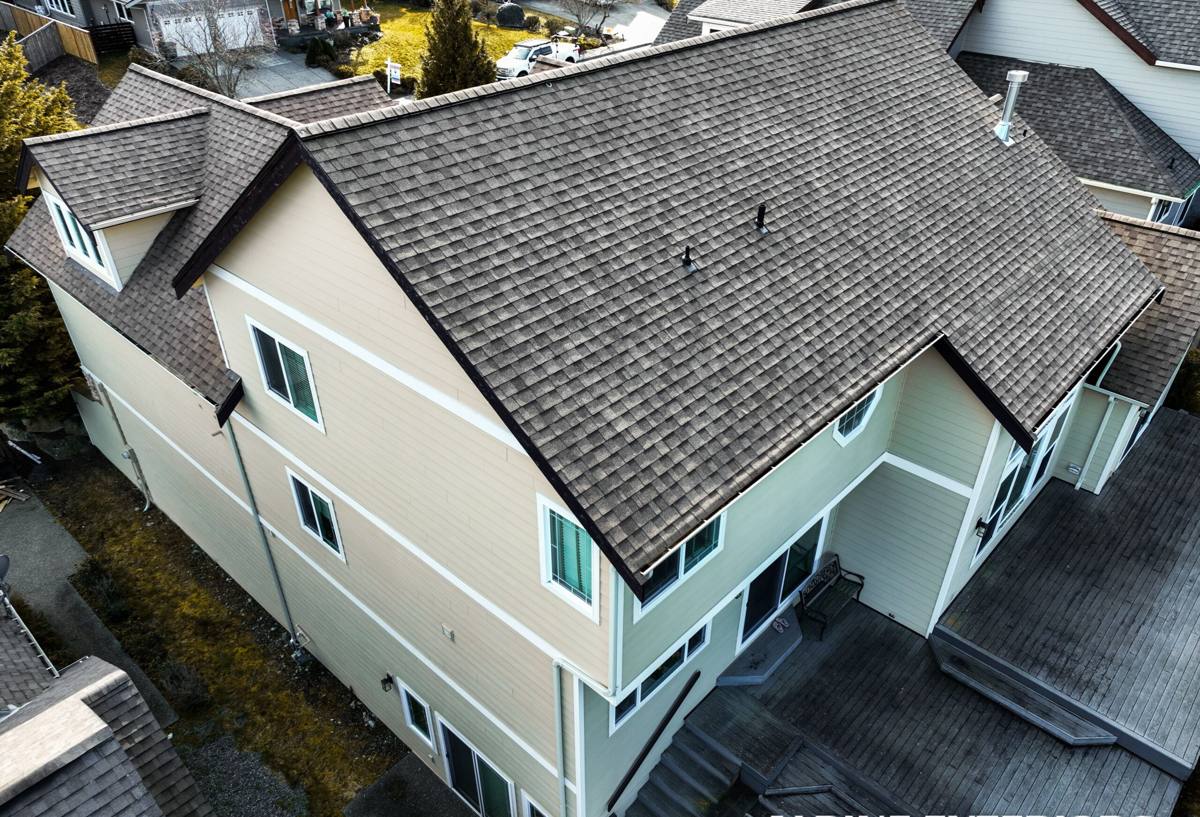
What a Correctly Built Deck Includes
A deck is a system, not a stack of boards. Every piece has to work with the others to shed water instead of trapping it. The core components, in the order they go together, are:
- Footings set below the local frost line, sized for the soil they're sitting in
- Posts and beams rated for ground contact where required, with a gap kept off standing water
- Ledger board attached to the house with proper flashing and fasteners — this is the single most failure-prone connection on any deck
- Joists spaced and sized for the actual span and load, not just "what looks about right"
- Decking installed with a consistent gap for drainage and expansion
- Railings and stairs built to code height and baluster spacing, not just to taste
Skip or shortcut any one of these and the deck will still look complete on installation day. The problems that come from cut corners almost never show up right away — they show up two or three wet seasons later, which is exactly why so many decks around here get rebuilt sooner than they should.
Ledger Flashing: The Detail Homeowners Never See and Contractors Skip
Where the deck attaches to the house is the highest-risk point on the whole structure. If that connection isn't flashed correctly, water works its way behind the ledger board and into the rim joist and wall framing behind it — and in a climate with this much sustained rainfall, it doesn't take long. This kind of rot is slow, hidden behind the ledger, and expensive once it's found.
A proper ledger installation uses flashing that directs water out and away from the house, not just a bead of caulk and a hope. Lag bolts or structural screws need to be sized and spaced for the actual load, and any old, undersized, or corroded ledger fasteners from a previous deck should be replaced rather than reused. This is the step we spend the most time on, because it's the step that determines whether the deck is still solid in fifteen years or soft in five.
Choosing a Decking Material for This Climate
There's no single "best" decking material — there's a best material for a given budget, maintenance appetite, and how much moisture the site sees. Here's how the common options actually compare once you account for a wet Pacific Northwest climate:
| Material | Upfront Cost | Moisture Behavior | Maintenance | Typical Lifespan |
|---|---|---|---|---|
| Pressure-treated lumber | Lowest | Resists rot when sealed; will cup or warp if finish is neglected | Re-stain or seal every 1-2 years | 10-15 years |
| Cedar | Moderate | Naturally moisture-resistant but still needs a sealed finish in this climate | Annual cleaning, re-oil or re-stain every 1-2 years | 15-20 years |
| Composite decking | Higher | Doesn't rot or absorb water; can still grow surface algae if shaded and damp | Periodic washing, no staining or sealing | 25-30+ years |
| PVC decking | Highest | Fully moisture-proof board itself | Occasional washing | 25-30+ years |
Composite and PVC cost more up front but remove the yearly staining cycle that a lot of homeowners underestimate when they choose wood. That said, plenty of homeowners in Acme still prefer real cedar for the look and are happy to keep up with the maintenance — there's no wrong answer here, just a trade-off between upfront cost and ongoing upkeep. What we won't do is recommend the cheapest board and not tell you what the maintenance schedule actually looks like once winter rain sets in.
A Note on Fasteners and Hardware
In a climate this wet, hardware matters almost as much as the lumber. Standard zinc-coated screws and brackets corrode faster here than in drier regions, especially near the ground or under the deck where moisture lingers. We use fasteners and structural hardware rated for the treated lumber and exposure they're going into — it costs a little more per box, but it's cheap insurance against streaking, staining, and weakened connections down the road.
Footings, Drainage, and Ground Contact
Acme's ground holds moisture longer than sandier or better-drained parts of the county, which changes how a deck's substructure needs to be handled. A few things we check on every job:
- Footings poured below frost depth and sized for the soil conditions on that specific lot, not a one-size-fits-all number
- Post bases that keep wood off the concrete and off standing water, rather than resting directly on the slab
- Grading and drainage under the deck so water moves away from posts instead of pooling around them
- Airflow underneath low decks — a skirted deck with no ventilation traps moisture against the framing
None of this is visible once the deck is finished, which is exactly why it's worth asking a contractor to walk you through it before the concrete gets poured.
Moss, Algae, and Keeping a Deck Looking Good Year-Round
Moss and algae aren't a sign of a bad build — they're a fact of life on any horizontal wood or composite surface in this part of Washington, especially in shaded yards or under tree cover. The difference between a deck that stays clean and one that turns green by January usually comes down to two things: how much direct light and airflow the deck gets, and whether the gaps between boards were cut wide enough to actually drain and dry.
A deck built with tight board spacing to look "clean" on day one often pays for it every winter after, holding water and debris between boards instead of shedding it. We space decking for real drainage, not just appearance, and it makes a noticeable difference in how much moss shows up by spring.
Our Process for a Deck Build in Acme
- On-site assessment — we look at the existing structure (if any), the ground conditions, drainage, and how the deck ties into the house
- Design and material selection — sizing, layout, railing style, and a decking material that fits your budget and maintenance preference
- Permitting — we handle the paperwork with the local building department where a permit is required
- Demolition of the old deck, if applicable, checking the ledger and framing behind it for hidden rot
- Footings and framing — set to code depth and spacing for this soil and climate
- Ledger flashing and attachment — the step we don't rush, for the reasons above
- Decking, railings, and stairs installed to proper gap and code spacing
- Final walkthrough — so you know what maintenance, if any, the deck needs going forward
Why a Crew That Already Works in Acme Matters
A deck built by a crew unfamiliar with this area is guessing at frost depth, guessing at drainage, and guessing at how much moss exposure a given yard will actually see. A crew that already works Acme and the surrounding Whatcom County communities has already seen how ground conditions and rain patterns here treat different footings, fasteners, and decking materials over real winters — not just on a spec sheet. That local track record is what separates a deck that needs attention in five years from one that's still solid in twenty.
There's also a practical side to working with a local crew: shorter response times if something needs a follow-up look, familiarity with the local permitting process, and no learning curve on what this climate does to a structure over time.
Questions Worth Asking Any Deck Contractor
- How will the ledger board be flashed, and what fasteners will be used?
- Are footings sized for this specific soil, or a standard default?
- What decking gap will be used, and why?
- Is a permit required for this project, and who's pulling it?
- What maintenance will the finished deck actually need, year one and beyond?
If a contractor can't answer these clearly before signing anything, that's worth noticing.
If you're planning a new deck or replacing an aging one in Acme, we're happy to come take a look and give you an honest read on what your project needs — no pressure, no obligation. Use the form below to request a free estimate.