 Sumas Window
 Why Ferndale Windows Need to Be Built for This Climate, Not Just Installed
Ferndale sits close enough to Bellingham Bay and the Nooksack River delta that salt-laden air is a real factor for anything on the outside of a house, and that includes window frames, hardware, and glazing seals. Add Whatcom County's long wet season — months of driving rain pushed sideways by wind off the water — and a short window (pun aside) each summer where things actually dry out, and you've got conditions that punish a window that isn't matched to the job. Moss doesn't just grow on roofs here. It gets a foothold on north-facing sills, in frame corners that never see direct sun, and in any gap where wood stays damp longer than it should.
A window that's fine in a drier inland climate can start failing in Ferndale within a few years if the material, the seals, or the installation weren't chosen with this weather in mind. That's the difference between a "custom" window job done right and one that just looks right on install day.
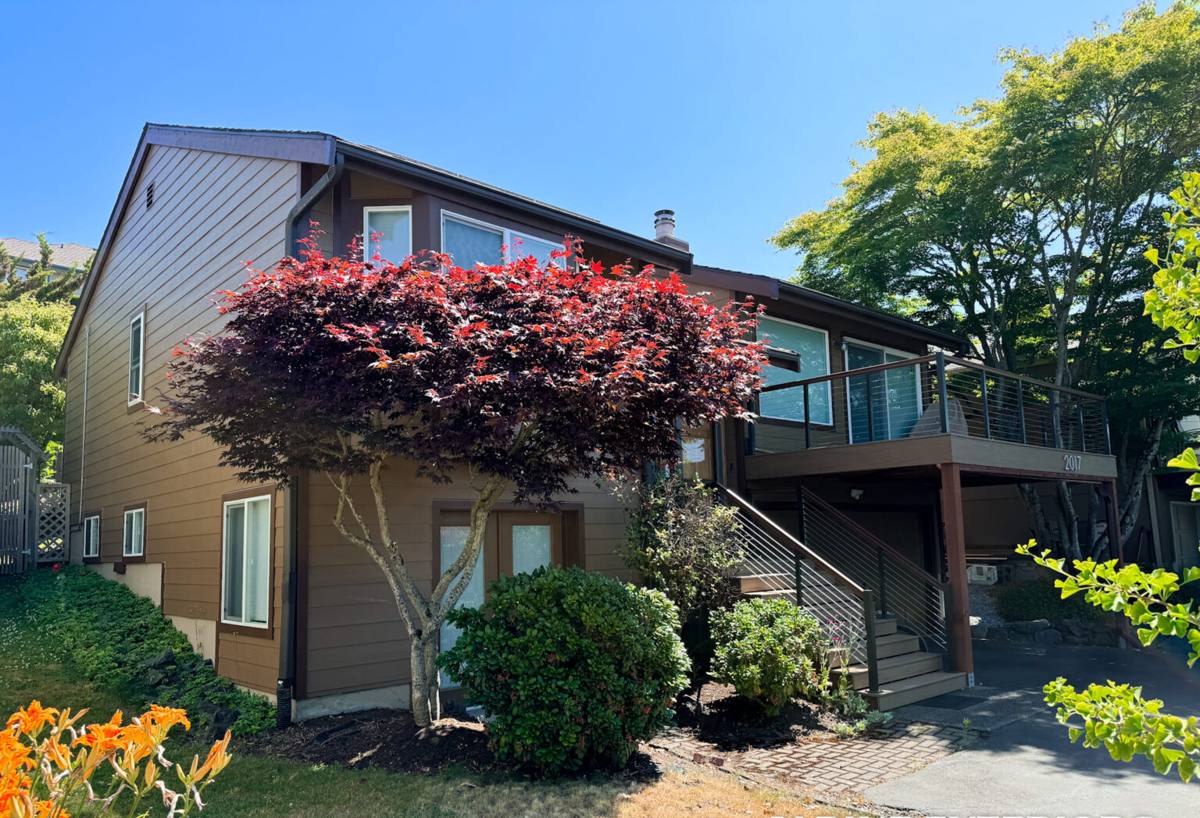
What "Custom" Actually Means for a Ferndale Window Project
Measuring the Actual Opening, Not a Catalog Size
Older Ferndale homes and farmhouses on the outskirts of town were rarely built to today's standard window dimensions. Settling, past remodels, and original rough framing all mean every opening is a little different. Custom windows are built to the actual measured opening — width, height, and depth — rather than forcing a standard size into a space and packing the gaps with trim and hope. That gap-packing approach is exactly where water finds its way into wall cavities.
Choosing the Right Frame Material for the Exposure
Not every wall of a house faces the same conditions. A window on the weather side of a home — the side that takes the brunt of driving rain and salt-bearing wind — needs a frame material and sealant approach that can handle more moisture cycling than a sheltered side of the same house. Custom work means we account for that instead of specifying one window style for the whole project regardless of exposure.
Glass Packages Suited to a Marine Climate
Low-E coatings and gas-filled sealed units aren't just an energy-bill upgrade in this climate — they reduce interior condensation, which matters when a house sits in persistent damp air for much of the year. Fogged-up glass in winter isn't just annoying; sustained condensation at the sash and sill is one of the more common early paths to wood rot and interior moss/mildew staining.
Comparing Window Materials for Ferndale's Climate
There's no single "best" material for every home — budget, architectural style, and which side of the house the window sits on all factor in. Here's how the common options hold up specifically against salt air, driving rain, and moss exposure:
| Material | Salt Air / Moisture Resistance | Maintenance Needed | Typical Lifespan |
|---|---|---|---|
| Vinyl | Good — won't rust or rot, but can discolor over decades of exposure | Low — occasional cleaning | 20–30 years |
| Fiberglass | Very good — dimensionally stable, holds paint/finish well in wet cycling | Low to moderate | 30–40+ years |
| Wood (unclad) | Poor unless meticulously maintained — most vulnerable to rot and moss | High — regular refinishing | Varies widely with upkeep |
| Wood-clad (aluminum or fiberglass exterior) | Good on the exterior face; interior wood still needs some care | Moderate | 25–35 years |
| Aluminum | Fair — resists rot but can corrode near salt air and conducts cold, inviting condensation | Low | 20–30 years |
We won't push unclad wood on a weather-exposed wall in this area as a default recommendation — not because wood windows are bad, but because the maintenance schedule needed to keep them sound near salt air and constant rain is more than most homeowners want to sign up for. If the look of wood matters for a historic or architecturally specific home, clad options get you most of that appearance with far less upkeep.
Where Window Installations Actually Go Wrong
Flashing and Water Management
The window itself is rarely the point of failure — the flashing around it usually is. Proper installation means integrating window flashing with the home's weather-resistive barrier in the correct shingled order (each layer overlapping the one below it) so that any water that gets behind the siding runs out and away from the frame instead of pooling against it. Skip this step or do it out of order, and you get slow leaks that can go undetected for years behind the interior trim.
Sealant and Trim Integration
Caulk and sealant are a backup to good flashing, not a substitute for it. In a climate with this much sustained rain, sealant alone will eventually fail — UV exposure, temperature swings, and constant moisture all break it down over time. A correct installation treats sealant as one layer in a system, with mechanical flashing doing the primary work of keeping water out.
Interior Sill and Frame Rot
We regularly see interior damage that traces back to a window installed without a sloped sill pan or without proper end-dam flashing at the corners. Water gets in slowly, doesn't fully dry between rain events, and the wood underneath starts to break down long before it shows on the surface.
How We Approach a Ferndale Window Project
- On-site assessment — we look at each opening individually, note sun/wind exposure, and check the current flashing and framing condition before recommending anything.
- Material and glass selection — matched to that specific wall's exposure and your budget, not a one-size answer for the whole house.
- Precise measurement and ordering — built to the actual opening, accounting for any out-of-square conditions common in older framing.
- Careful removal — old units come out without damaging surrounding siding or trim any more than necessary.
- Proper flashing and installation — shingled water management first, sealant second, shimmed and fastened to manufacturer spec.
- Interior and exterior finish work — trim, caulking, and paint/stain matched to the existing home.
- Walkthrough and warranty paperwork — so you know exactly what's covered and for how long.
Signs Your Current Windows Are Already Losing the Fight
Whatcom County's weather doesn't give a struggling window much of a break. Watch for these signs before small problems become structural ones:
- Condensation building up between the panes of a double- or triple-pane unit (a sign the seal has failed)
- Soft or discolored wood at the sill, especially on north-facing or weather-side windows
- Visible moss or dark green growth on the frame or sill that keeps coming back after cleaning
- Drafts you can feel even when the window is fully latched
- Paint that keeps peeling or bubbling on the interior or exterior trim around the frame
- Windows that have become hard to open, close, or lock — often a sign the frame has shifted or swollen
- A musty smell near a window that doesn't go away with cleaning
Any one of these on its own might just need attention. Several together, especially combined with visible rot, usually means it's time to talk about replacement before the surrounding wall framing gets involved.
Cost Factors for a Ferndale Window Project
Every project is different, but the same handful of factors drive most of the cost variation we see on jobs in this area:
| Factor | Why It Affects Cost |
|---|---|
| Frame material | Vinyl is typically the most budget-friendly; fiberglass and clad-wood cost more up front but often less over the window's life |
| Glass package | Double-pane Low-E is standard; upgrading to triple-pane or specialty coatings adds cost but can help with condensation and energy use |
| Opening condition | Rot repair, out-of-square framing, or hidden water damage found during removal adds labor beyond a straightforward swap |
| Number and size of openings | Larger units and full-house projects have per-window efficiencies but a bigger total |
| Trim and siding integration | Matching existing exterior trim or siding profiles takes more time than a simple insert replacement |
| Access and site conditions | Second-story or hard-to-reach openings take longer and may need additional equipment |
We'd rather walk your specific house and give you real numbers than quote a broad range that doesn't mean much until we've seen the openings.
Why It Matters That We Already Work in Ferndale
A crew that regularly works Whatcom County homes already knows which flashing details hold up against sideways rain off the bay, which frame materials are worth the extra cost given the salt air, and how long moss season really runs in a given year — not in theory, but from having done the callbacks when a shortcut didn't hold. That local track record matters more here than in a drier climate, where a mediocre installation might not show its problems for a decade. In Ferndale, it can show up in one wet winter.
We also know the practical side: what local building department requirements apply to window replacement versus new openings, and how to plan installation timing around the wettest stretches of the year so the wall isn't left open to weather any longer than it has to be.
If your Ferndale home has windows that are drafty, fogging, or showing rot at the sill, or you're planning ahead for a remodel, we're glad to come take a look. Use the form below to request a free, no-pressure estimate — we'll assess your actual openings and give you straight answers about materials, cost, and timeline before you decide anything.