 Sumas Window
 Window Installation for Acme, Built Around Sumas-Area Weather
Acme sits in a part of Whatcom County that gets more rain, more shade, and more moss than most homeowners realize until they're standing on a ladder scraping green growth off a window sill. Between the tree cover, the driving rain that comes in sideways off winter storms, and the marine air that pushes inland across the county, windows here take a beating that a lot of installation crews simply aren't set up to handle. We work out of Sumas and know this specific stretch of Whatcom County — what the weather does to a window over five years, ten years, twenty years, and what "correct installation" actually has to mean out here versus in a drier, more sheltered part of the state.
This page is about one job: installing windows in and around Acme, done the way this climate requires. Not a general overview of window installation everywhere — the specifics that matter for homes in this area.
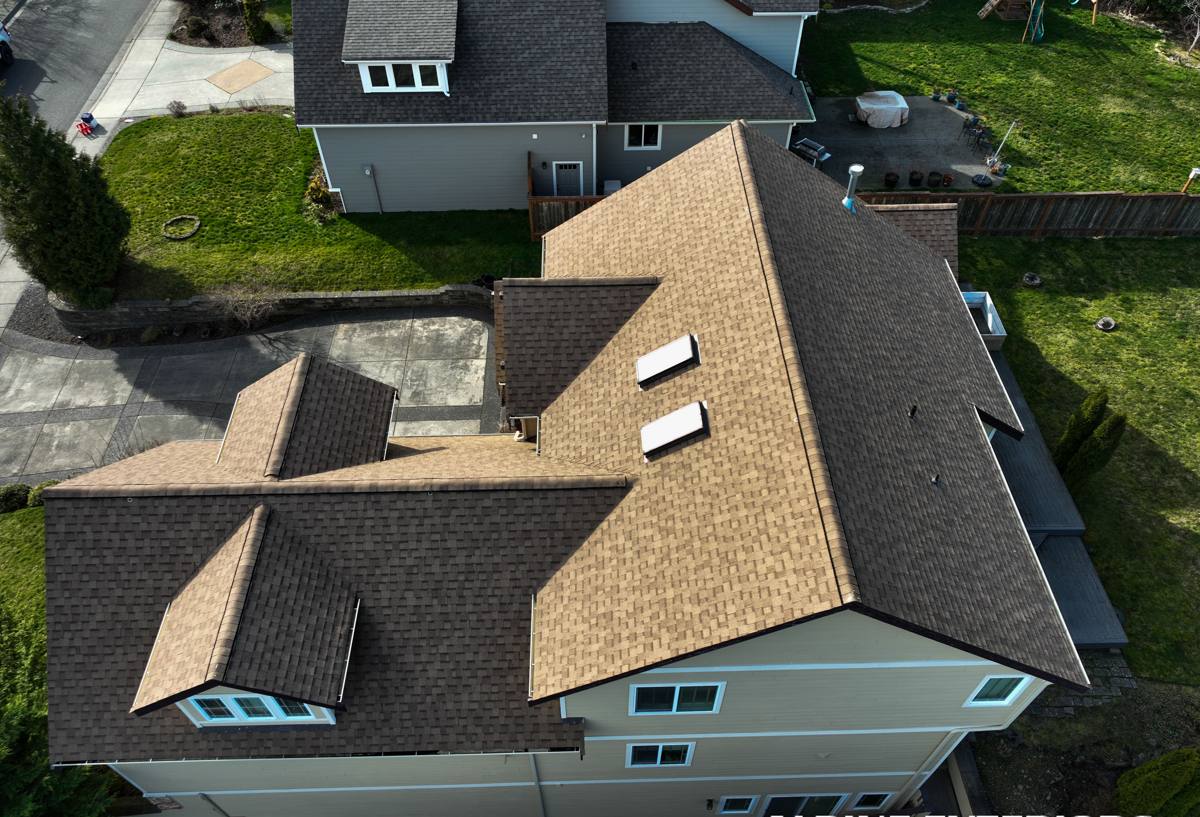
What This Climate Does to a Window Over Time
Driving Rain and Wind-Driven Moisture
Whatcom County storms don't just drop rain straight down — wind pushes it sideways into wall assemblies, especially on exposed elevations. A window that's flashed correctly sheds that water back outside the wall. A window that's caulked and hoped for the best lets it track behind the trim and into the framing, where it stays wet for weeks at a time because the air here rarely gets dry enough, long enough, to fully evaporate it out.
Moss and Prolonged Dampness
Acme's tree canopy keeps a lot of homes in shade for large parts of the day, which is great for keeping a house cool in summer and terrible for keeping window sills, sashes, and trim dry. Moss doesn't just sit on the surface — it holds moisture against wood and vinyl, and over a long moss season that constant dampness is what actually causes rot and seal failure, not any single storm.
Marine Air and Metal Fatigue
Salt-tinged marine air moving in off the water affects hardware and fasteners over the years — hinges, cranks, and lock mechanisms corrode faster here than they would in a dry inland climate. It's a slow process, which is exactly why it gets ignored until a window won't latch anymore.
What a Correct Window Installation Actually Involves
"Window installation" sounds simple — pull the old one, drop in the new one, caulk the edges. Done that way, a window will look fine for a year or two and then start failing exactly where this climate finds every weakness. A correct install has several layers that aren't visible once the trim goes back on, and they're the layers that determine whether the window lasts one decade or three.
- Sill pan flashing so any water that gets past the window has a sealed path back outside the wall, instead of soaking into the framing
- Proper integration with the house wrap or building paper — flashing tape lapped correctly, shingle-style, so water always drains down and out
- Backer rod and the right sealant at the exterior joint, not just a bead of caulk over a gap
- Insulation packed correctly around the frame — not stuffed so tight it bows the frame, not left with gaps that become cold spots and condensation points
- Square, level, and plumb setting before anything is fastened, so the sash operates smoothly and the seals compress evenly for the life of the window
- Interior air sealing, separate from the exterior weatherproofing — the two do different jobs and both matter
Skip any one of these and the window can still look correctly installed from both sides of the glass. The problems show up later, inside the wall, where nobody's looking until there's a stain on the drywall or a soft spot in the sill.
Common Problems We See on Acme-Area Homes
Most of the calls we get in this area fall into a few recurring categories. Recognizing them early is usually the difference between a straightforward window swap and a repair job that includes rotted framing.
| What You're Seeing | What's Usually Happening |
|---|---|
| Fogging or moisture between panes | Failed seal on the insulated glass unit — the gas fill has escaped and outside air is getting in |
| Soft or discolored wood at the sill or corners | Water has been tracking behind the trim for a while, often from missing or degraded flashing |
| Window is hard to open, close, or lock | Frame has racked slightly out of square, or hardware has corroded from sustained damp exposure |
| Visible moss or dark streaking on sills and lower sashes | Shaded exposure plus poor drainage — the surface isn't drying out between rain events |
| Draft or cold spot near the frame in winter | Gaps in the insulation or air sealing layer around the frame, not usually the glass itself |
Choosing the Right Window for This Climate
Material choice matters more here than in a drier climate, because whatever you pick has to hold up to sustained dampness and shade, not just occasional rain.
Vinyl
Vinyl frames handle moisture well because they don't rot, and modern multi-chamber vinyl performs solidly on energy efficiency. The trade-off is that vinyl can look and perform a little "plastic" in very high-end applications, and dark colors absorb more heat, which matters less in a shaded, cooler climate like this one but is worth knowing.
Fiberglass
Fiberglass frames are dimensionally stable — they don't expand and contract with temperature swings the way vinyl can, which helps seals stay tight over decades. They cost more upfront, and that cost is usually justified on south- or west-facing exposures that see more direct weather.
Wood and Wood-Clad
Wood interiors with a clad exterior look great, but they're the least forgiving of installation mistakes in a wet, shaded climate — any flashing gap becomes a wood-rot problem faster than it would with vinyl or fiberglass. We'll install wood-clad windows when a homeowner wants that look, but we're direct about the added maintenance commitment it requires out here.
We don't push one product line on every job. The right call depends on the exposure of that specific wall, the home's existing trim and siding, and what the homeowner is trying to balance between upfront cost and long-term upkeep.
Our Installation Process
1. On-Site Assessment
We look at each opening individually — sun exposure, tree cover, existing flashing condition, and any signs of past water intrusion. Not every window on a house faces the same conditions, and the assessment reflects that.
2. Removal Without Damage
Old windows come out carefully so we can inspect the framing underneath before anything new goes in. If there's rot or soft wood, we deal with it then — covering it up with a new window is how small problems become expensive ones.
3. Flashing and Weatherproofing
This is the step that actually determines whether the installation holds up. Sill pan, flashing tape, and proper lapping with the house wrap, done in the right order every time.
4. Setting, Shimming, and Sealing
The window gets set square and plumb, shimmed correctly so it isn't stressed by the framing, insulated around the perimeter, and sealed on both the interior and exterior sides.
5. Final Check
Every sash gets operated, every lock gets tested, and we walk the exterior to confirm the finish work sheds water the way it's supposed to.
Cost Factors to Expect
Every job is different, but the same handful of factors drive most of the price variation we see on Acme-area homes:
| Factor | Why It Matters |
|---|---|
| Number and size of openings | More and larger windows mean more material and labor, straightforwardly |
| Frame material chosen | Vinyl, fiberglass, and wood-clad sit at different price points, described above |
| Condition of existing framing | Rot repair discovered during removal adds labor and material beyond the window itself |
| Replacement vs. new construction | Full-frame replacement in an existing wall involves more flashing and trim work than new-construction framing |
| Access and exposure | Second-story or heavily shaded, hard-to-reach windows take longer to do correctly |
We give a straightforward, itemized estimate before any work starts, and we'll always explain what's driving the number rather than just handing over a total.
Why a Crew That Already Works This Area Matters
A lot of installation problems on older Acme-area homes trace back to a crew that was used to a different climate — drier, less shaded, less demanding on flashing details. Techniques that hold up fine in that kind of setting fall short here within a few wet seasons. Working regularly around Sumas and the surrounding Whatcom County communities means we're not guessing at how this climate behaves — we're accounting for it in every detail of the install, because we've seen what happens when it isn't.
Protecting Your Investment After Installation
A correctly installed window is mostly maintenance-free, but a little seasonal attention goes a long way in this climate:
- Clear moss and debris off sills and tracks before it has a chance to hold moisture against the frame
- Check exterior caulking once a year, typically in spring after the wettest months, and touch up anything cracked or pulling away
- Keep gutters and downspouts clear so roof runoff isn't dumping extra water down the wall near window openings
- Operate every window a few times through the year, even the ones you rarely open, so hardware doesn't seize up from disuse and dampness
- Watch for condensation between panes — it's the earliest sign of a failing seal and worth addressing before it's a full replacement
If you're weighing a window project in Acme or anywhere around our Sumas service area, we're happy to take a look and give you a straightforward, no-pressure estimate — just fill out the form below.