 Sumas Window
 Storm Damage Roofing in Van Zandt: A Different Kind of Wear
Van Zandt sits in the rural stretch of Whatcom County just outside Sumas, close enough to the international border and the open farmland around the Nooksack valley that homes here take weather head-on. There's less tree cover and fewer neighboring structures to break up wind than you'd get in a denser part of the county, which means roofs in this area see stronger gusts during winter storms and more direct exposure to driving rain coming off the valley. Add in a moss season that can run from fall through spring in this climate, and you've got a roof that's working harder than most homeowners realize, storm or no storm.
When a wind event or a heavy rain system does move through, the damage isn't always obvious from the ground. A few lifted shingles, a bent piece of flashing, or a section of underlayment exposed to weather for a few weeks can turn into a much bigger repair if it sits unaddressed through another storm cycle. This page is about what storm damage repair actually looks like for a Van Zandt roof — not a generic overview, but what we look for and how we fix it given the conditions this specific area deals with.
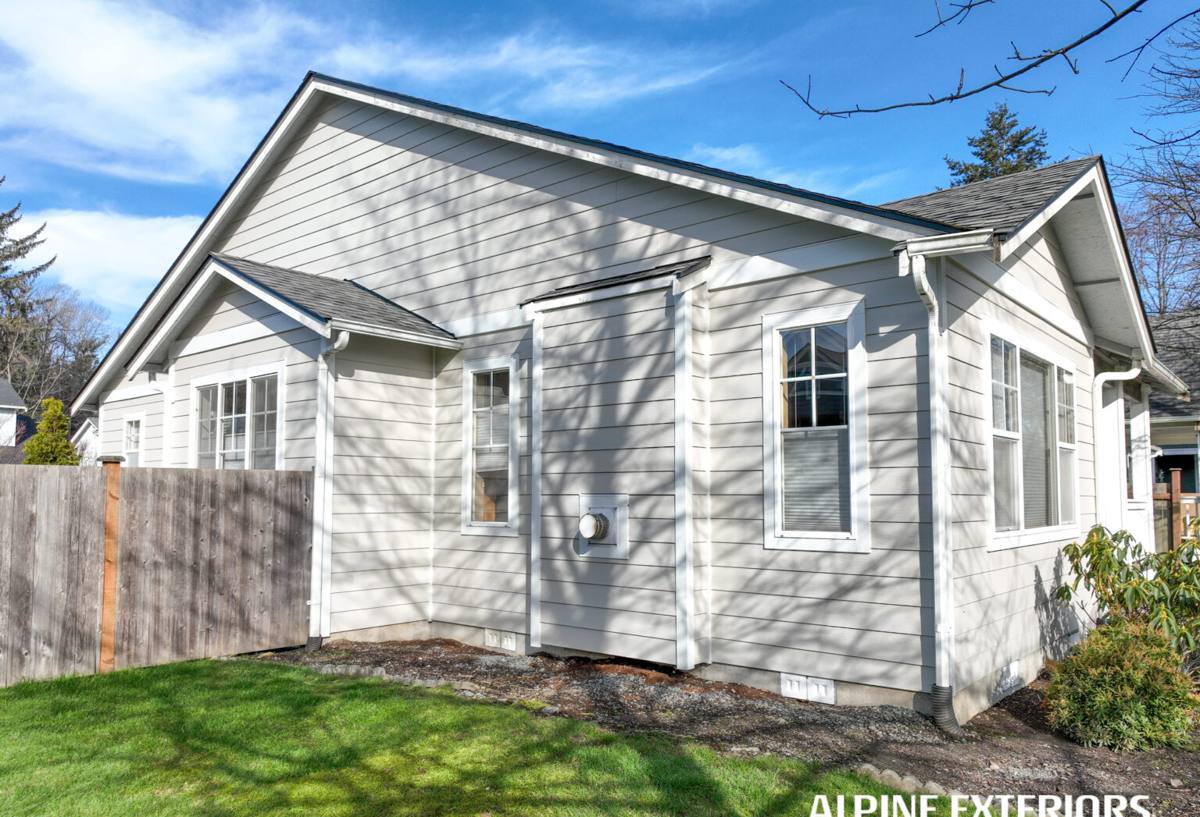
What Whatcom County Weather Does to a Roof Over Time
Storm damage rarely shows up as one dramatic event. More often it's an accumulation — a windstorm loosens a few shingle tabs, the next rain gets underneath them, and by the time it's visible as a leak inside the house, the underlayment and maybe the roof deck have already been wet for a while.
The three things doing the most damage
- Wind: Sustained gusts and sudden squalls lift shingle edges, work fasteners loose, and can tear off ridge cap or ridge vent pieces outright.
- Driving rain: Rain that comes in at an angle, rather than straight down, finds its way under flashing and shingle laps that would shed a normal rain fine. This is a bigger factor in open, exposed lots like much of Van Zandt.
- Moss and prolonged moisture: A long, damp moss season keeps shingles wet longer than they should be, which accelerates granule loss and softens the mat underneath — a roof already weakened by moss holds up worse when a storm hits it.
None of these are exotic problems. They're the normal cost of doing business with this region's climate. The issue is that homeowners often don't see the early signs, and by the time water is visibly coming through a ceiling, the repair has grown from "replace a section of shingles and flashing" to "replace decking and address interior damage too."
Signs Your Roof Took Storm Damage
After any significant wind or rain event, it's worth doing a quick check — from the ground with binoculars, or better, have someone qualified go up and actually look. Here's what tends to show up first:
- Shingles that look curled, cracked, or are missing entirely, especially near ridges and edges
- Granules collecting in gutters or at the base of downspouts — more than the usual light shedding
- Bent, lifted, or missing flashing around chimneys, vents, and skylights
- Soft spots or sagging when walking the attic (if it's safe to do so)
- New water stains on ceilings or upper interior walls, even faint ones
- Daylight visible through the roof deck from inside the attic
- Debris damage — branches or heavier limbs that came down during the storm
Any one of these on its own might be minor. Several together, or anything involving active water intrusion, means it's time for a real inspection rather than a wait-and-see approach.
What a Correct Storm Damage Repair Actually Involves
A rushed storm repair — screw down the loose shingle, caulk the gap, call it done — is one of the most common ways a small problem becomes a recurring one. A repair that actually holds up in this climate needs a few things done in order.
1. Find the real extent of the damage
This means checking beyond the obvious spot. Wind damage often extends further along a roof plane than the one section that's visibly missing shingles, and water that entered at one point can travel along the deck before it shows up as a stain somewhere else entirely.
2. Check the deck, not just the surface
If water sat under damaged shingles for any length of time, the plywood or OSB decking underneath needs to be checked for soft spots or delamination. Replacing shingles over a compromised deck just hides the problem until it fails again.
3. Rebuild flashing and underlayment properly
Flashing around chimneys, vent pipes, and roof-to-wall transitions is where storm leaks most often start and where rushed repairs most often fail again. Underlayment needs to be replaced in the repaired section, not patched over, so the roof has a real second line of defense against driving rain.
4. Match materials and tie the repair into the existing roof correctly
A patched section that isn't properly woven into the surrounding shingle courses becomes its own weak point — a new edge where wind can catch and lift. Matching shingle type, and ideally close to the existing color and age, also keeps the repair from standing out as an obvious patch.
Repair vs. Replacement: What Actually Drives the Decision
Not every storm-damaged roof needs a full replacement, but not every one should be patched either. The honest answer depends on a handful of factors:
| Factor | Leans toward repair | Leans toward replacement |
|---|---|---|
| Roof age | Under 10-12 years, otherwise healthy | Already near or past expected lifespan |
| Extent of damage | Localized to one section or slope | Spread across multiple roof planes |
| Deck condition | Solid, no rot or soft spots found | Widespread soft decking or rot |
| Moss/granule history | Minimal wear prior to the storm | Already thin, moss-worn shingles |
| Insurance scope | Claim covers a defined repair area | Adjuster approves full slope or full roof |
We'll always give you a straight answer on which side of that line your roof falls on, and why — not the option that's easiest for us to sell.
Our Process for a Van Zandt Storm Repair
Because we already work in this area, we're not learning the local weather patterns on your roof for the first time. Here's how a typical storm repair goes:
Inspection and documentation
We walk the roof (or use a ladder and camera when conditions don't allow foot traffic), document the damage with photos, and check the attic from the inside where accessible. This documentation matters as much for your records as for ours.
Honest scope and estimate
You get a written explanation of what's damaged, what needs to be done, and why — including if we think part of what looks like storm damage is actually pre-existing wear that the storm just exposed. We won't pad a storm claim with unrelated work, and we won't downplay damage that's really there.
The repair itself
Tear-out of the damaged section, deck inspection and replacement where needed, new underlayment, correctly integrated flashing, and matched shingles installed and tied into the surrounding roof. We clean up thoroughly — nails and debris left behind in the yard or driveway are a common complaint about rushed storm crews, and we make a point of not being one of them.
Final check
Before we consider the job done, we walk it again and check that the repair is watertight and that nothing else nearby got missed in the process.
If You're Filing an Insurance Claim
Most storm damage repairs go through homeowner's insurance, and having a clear, well-documented inspection from a contractor who was on the roof helps that process move faster and more accurately. A few practical notes:
- Photograph what you can safely see from the ground before any repair work starts
- Get an independent contractor inspection rather than relying solely on the adjuster's assessment — a second set of eyes on the roof itself catches things a drive-by inspection can miss
- Keep a copy of every estimate and repair invoice for your records
- Ask questions if the approved scope seems narrower than the actual damage found
We're glad to provide documentation you can use for a claim, but we work for you, not the insurance company — our job is to tell you what the roof actually needs.
Why a Crew That Already Works Van Zandt Matters
Storm damage repair isn't just a generic skill — knowing how this specific area's weather behaves changes how a repair should be built. A crew unfamiliar with the wind exposure common to open lots near Sumas might under-build a flashing repair that would hold up fine in a more sheltered part of the county but fails here in the next storm. Knowing how long moss season runs locally also changes how urgently a repair should happen, since a shingle edge left exposed through a wet Whatcom County fall or winter deteriorates faster than the same damage would somewhere drier.
There's also a simple practical benefit: a local crew can typically respond faster after a storm event, when a tarp-and-hold repair to stop active leaking often matters more than anything else in the first 24-48 hours.
Get a Straight Answer on Your Roof
If a recent storm left your Van Zandt roof looking questionable — or even if you're just not sure and want a second opinion before the next weather system rolls through — we'll come take an honest look. No pressure, no inflated scope, just what we find and what we'd recommend. Use the form below to request a free estimate.