 Sumas Window
 Building a Deck That Actually Holds Up in Van Zandt
Van Zandt sits in the part of Whatcom County where weather doesn't do anything halfway. Between the driving rain off the Strait, the damp that settles in every fall and doesn't fully leave until late spring, and the moss season that seems to stretch longer every year, a deck out here works harder than a deck almost anywhere else in the state. A deck design that's perfectly fine in a drier inland climate can start showing rot, cupping, or slick green growth within a couple of seasons if it wasn't built with this specific weather in mind.
This page is about what it actually takes to build a deck correctly for a Van Zandt property — not a generic deck-building overview, but the specific decisions that matter here: how the framing is protected from standing moisture, which decking materials actually perform in constant damp, and how the whole structure is put together so it sheds water instead of holding it.
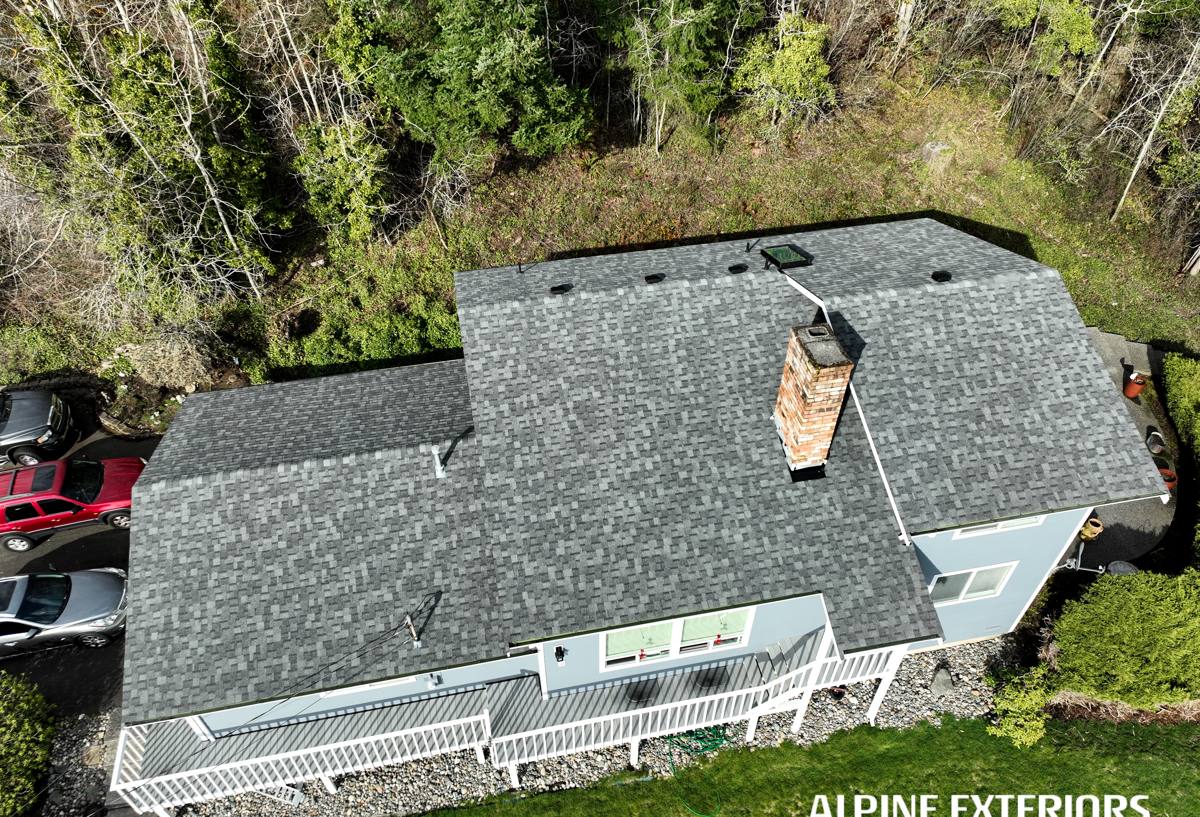
What Van Zandt's Climate Does to an Ordinary Deck
Most deck failures we see aren't dramatic. They're slow. Water gets into a spot it shouldn't, and a year or two later that spot is soft, discolored, or growing moss. A few of the patterns specific to this area:
- Ledger board rot — where the deck attaches to the house, if the flashing wasn't done right, rain gets behind the ledger and rots both the ledger and the house rim joist behind it.
- Moss buildup on decking — long stretches of shade combined with months of damp let moss and algae take hold on horizontal surfaces, especially on the north side of a house or under mature trees, making boards slick and starting to hold moisture against the wood.
- Post-base rot — posts set directly in or too close to wet soil, or without a proper standoff base, wick moisture up into the wood from the bottom.
- Fastener corrosion — standard fasteners that aren't rated for treated lumber or coastal-influenced air will streak, weaken, and eventually fail well before the wood does.
- Joist end rot — cut ends of joists that were never sealed soak up water like a sponge every time it rains, since end grain absorbs far faster than the face of the board.
None of these are unusual problems. They're the predictable result of building a deck the same way you'd build one somewhere with a drier, milder wet season. In Whatcom County, every one of those details needs to be handled deliberately.
What a Correctly Built Deck Needs Out Here
Ledger Flashing Done Right
The connection between the deck and the house is the single most important detail on the whole project. It needs proper metal flashing integrated with the house's water-resistive barrier — not just caulk, and not just a flashing tape slapped over existing siding. Done wrong, this is the number one cause of hidden rot behind a deck, and it's often invisible until the damage is already extensive.
Joist Tape and Sealed Cuts
Every joist top, and every field cut end, should get sealed before decking goes down. This is a cheap step during construction and an expensive one to fix later, since it means pulling up decking to get at it.
Post Bases That Keep Wood Off Wet Ground
Posts should sit on standoff hardware that lifts the wood above the concrete footing and any standing water, not buried in or flush against the concrete. In our clay-heavy Whatcom County soils, water doesn't drain away from a footing quickly, so keeping end-grain wood away from that moisture matters more here than in sandier soil.
Drainage Under the Deck
On decks more than a couple feet off the ground, a lot of Van Zandt homeowners are choosing to add an under-deck drainage system, which channels water off the top of the joists and out away from the house, keeping the space underneath usable and dry instead of turning it into a permanently damp crawl space.
Surface Choices That Resist Moss
Board spacing, board orientation, and surface texture all affect how fast moss and algae take hold. Tight-grained wood with a smooth, non-textured face sheds water and dries faster; deep wood-grain-embossed composite boards can actually hold moisture longer in the grooves. We talk through this trade-off with every Van Zandt customer before they pick a decking product.
Decking Material Comparison for This Climate
| Material | How It Handles Our Wet Season | Maintenance | Typical Lifespan Here |
|---|---|---|---|
| Pressure-treated pine | Resists rot well when sealed; can still cup or check if left unfinished | Needs re-staining/sealing every 2–3 years | 15–20 years with upkeep |
| Cedar | Naturally rot-resistant, ages gracefully, but softer and more prone to surface wear in constant damp | Regular oil/stain to prevent graying and moss | 15–20 years with upkeep |
| Composite (capped) | Doesn't rot or absorb water like wood; some textures hold moss longer in grooves | Occasional cleaning, no staining | 25–30+ years |
| PVC | Fully moisture-proof, very consistent in wet climates | Lowest maintenance of the group | 25–30+ years |
There's no universally "correct" answer here — it depends on budget, the amount of shade the deck gets, and how much upkeep a homeowner actually wants to commit to. What matters is picking with eyes open, understanding that a wood deck in a shaded, damp Van Zandt yard is a different maintenance commitment than the same wood deck on an open, sunny lot.
Framing and Footings
Footing depth has to account for our frost line and for how our soils hold water, and beam and post spacing has to be sized for the actual span and load, not just "what looks about right." We use pressure-treated framing lumber rated for ground contact wherever it's near grade, corrosion-resistant fasteners and structural connectors throughout, and joist hangers sized to the actual joist — not a universal size that happens to fit. None of this is visible once the deck is finished, which is exactly why it's worth asking a contractor to walk through it before the decking boards go down and cover it up.
Railings, Stairs, and Code
Guardrails, baluster spacing, and stair rise-and-run all fall under Washington's residential building code, and inspectors in this part of Whatcom County do check these details. Beyond passing inspection, railing hardware matters for the same reason fasteners do everywhere else on the deck — cheap or mismatched hardware corrodes and loosens faster in a climate that's damp more months than not. We spec railing connections the same way we spec the structural connections: for the weather, not just for the sale.
Our Process for a Van Zandt Deck Project
- On-site visit to look at drainage, sun/shade exposure, soil condition, and how the deck will tie into the house.
- Design discussion covering layout, decking material trade-offs, and railing style, with an honest read on maintenance for whatever's chosen.
- Permit handling with the county/local jurisdiction, including footing and structural details.
- Framing built to the details above — ledger flashing, sealed joist ends, standoff post bases, corrosion-resistant hardware.
- Decking installed with attention to spacing and drainage, not just a straight run of boards.
- Final walkthrough covering how to care for the specific material installed through our wet season.
A few things we check on every job before calling it done:
- Ledger flashing tied properly into the house's water barrier, not just surface-sealed
- All joist tops and cut ends sealed before decking goes down
- Post bases keeping wood off concrete and standing water
- Corrosion-resistant fasteners and connectors used throughout
- Railing and stair dimensions meeting code, checked before final decking
- Drainage path confirmed so water moves away from the house foundation
Maintaining a Deck Through Our Wet Season
However well a deck is built, it still needs seasonal attention out here. A yearly rhythm that works for most Van Zandt properties:
- Early fall: clear leaves and debris from between boards and off the surface before the heavy rain sets in.
- Winter: keep an eye on moss buildup in shaded areas; a stiff brush and a deck-safe cleaner handle it before it gets slick or embeds itself.
- Spring: check fasteners, railing connections, and any wood surfaces for early signs of graying or softness.
- Every 2–3 years (wood decks): re-stain or reseal to keep the wood shedding water instead of absorbing it.
Why It Matters to Hire a Crew That Works This Area
A deck contractor who mostly builds in drier parts of the state can still build a structurally sound deck — but they may not default to the flashing details, drainage planning, and material trade-offs that matter specifically here. We build and repair decks throughout Van Zandt and the surrounding Whatcom County area, so the driving rain, the moss, and the damp aren't an afterthought — they're the starting assumption for every design decision, from the footings up through the railing hardware.
If you're planning a new deck or replacing one that's showing its age, we're happy to take a look and talk through what makes sense for your property. Reach out for a free, no-pressure estimate using the form below.