 Sumas Window
 Roofing in Nooksack Faces a Different Set of Problems Than Roofing Inland
Nooksack sits low in the river valley, surrounded by farmland, tree lines, and the kind of persistent marine-influenced weather that defines this part of Whatcom County. That combination is hard on roofs in a specific way: it isn't one big storm that does the damage, it's months of low-angle sun, shaded north slopes, and driving rain that never quite lets a roof dry out between systems. Add in salt-tinged air moving inland off Puget Sound during winter weather patterns, and you get a climate that ages asphalt, wood, and metal roofing faster than drier parts of the state.
A roof replacement done right for a Nooksack home isn't just "put new shingles on." It's a system that accounts for moisture that lingers, moss that wants to take hold on shaded slopes, and a roof deck that needs to be able to breathe. We've built our process around those realities rather than a generic install checklist.
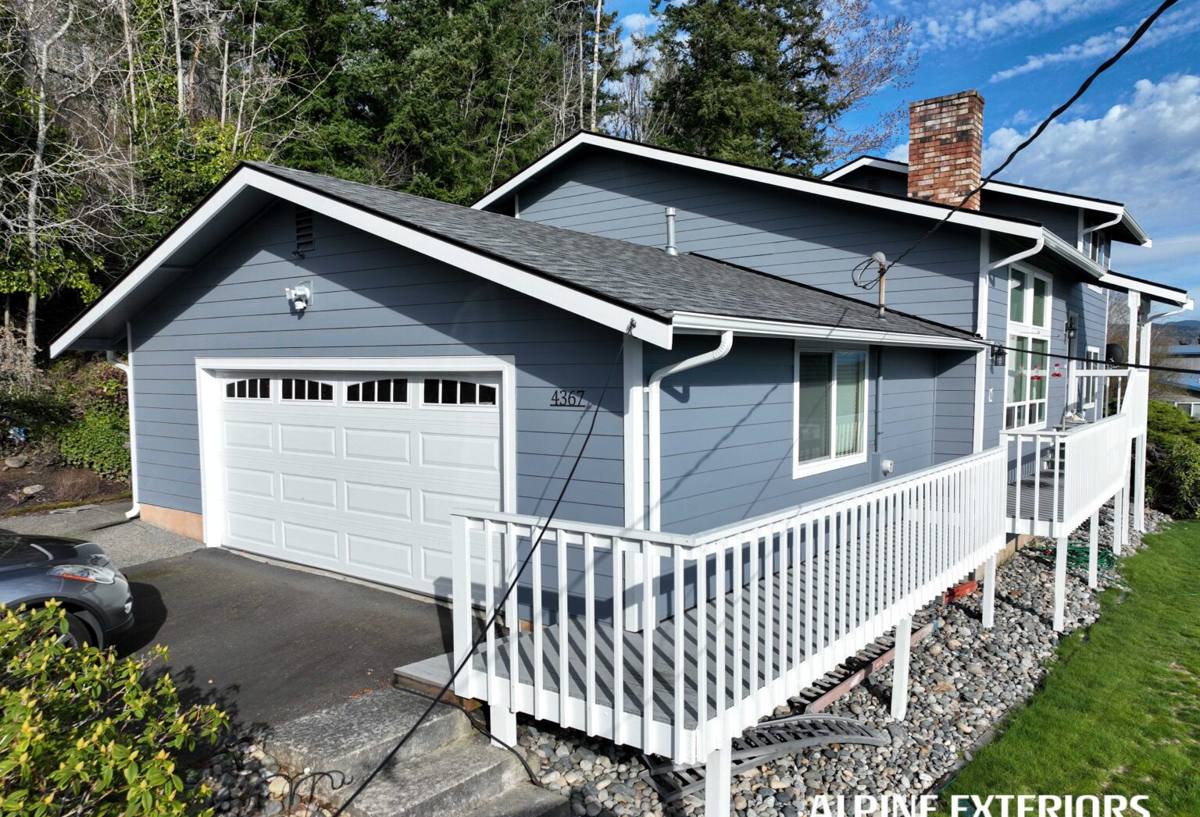
Why Nooksack Roofs Wear Out Faster Than the Manufacturer's Timeline Suggests
Every shingle and metal panel comes with a rated lifespan, but that number assumes average conditions. Nooksack doesn't have average conditions. A few things compound here:
- Long moss season. Shaded, north-facing roof slopes stay damp for weeks at a stretch, giving moss and algae time to root into shingle granules and lift tab edges.
- Driving rain. Wind-driven rain pushes water sideways under flashing, ridge caps, and shingle laps that would stay dry in a calmer climate.
- Marine air. Salt-laden moisture accelerates corrosion on fasteners, flashing, and any exposed metal edge that isn't properly coated or sealed.
- Freeze-thaw swings. Occasional cold snaps following wet stretches can freeze trapped moisture in a compromised roof system, widening small problems into big ones overnight.
None of this means Nooksack homes need exotic materials. It means the installation details — ventilation, underlayment, flashing, and fastening — carry more weight here than they would in a drier region.
Signs a Nooksack Roof Is Due for Replacement, Not Another Repair
Repairs make sense when a roof has isolated damage and years of life left. Replacement makes sense when the roof as a system is failing. Here's what we look for during an inspection:
- Granule loss heavy enough to see bald patches or granules collecting in gutters
- Moss or algae streaking across more than a small section, especially on shaded slopes
- Shingles that are curling, cupping, or cracking at the tabs
- Daylight visible through the roof deck from inside the attic
- Soft or spongy spots when walking the roof, indicating a compromised deck
- Water stains on interior ceilings or attic framing, even minor ones
- A roof that's 20+ years old with no documented tear-off or major overlay in that time
- Rusted, lifted, or missing flashing around chimneys, vents, and valleys
If you're only seeing one or two of these and the roof is under 15 years old, a targeted repair may be the honest answer. We'll tell you that instead of pushing a full replacement you don't need yet.
What a Correct Roof Replacement Involves
Tear-Off and Deck Inspection
We remove the existing roofing down to the deck rather than layering over old material. This is the only point in the process where we can actually see the plywood or plank decking underneath, check for soft spots or rot — common where moss and moisture have been sitting longest — and replace only what's actually bad, not the whole deck by default.
Underlayment and Ice-and-Water Protection
Given how much wind-driven rain this area gets, we install self-adhering ice-and-water shield membrane at eaves, valleys, and around penetrations, then synthetic underlayment across the rest of the field. Synthetic underlayment sheds water better than old-style felt and holds up longer to the intermittent wet-dry cycling typical of a Whatcom County moss season.
Ventilation, Not Just Shingles
A roof that can't breathe traps warm, moist attic air against the underside of the deck, which is exactly the condition that grows moss from underneath and shortens shingle life from above. We balance intake (usually at the eaves) with exhaust (ridge or roof vents) so air actually moves through the attic space instead of stalling.
Flashing and Penetrations
Chimneys, plumbing vents, skylights, and wall-to-roof transitions are where most leaks actually start — not in the open field of shingles. We use new metal flashing at every penetration rather than reusing old flashing or relying on sealant alone, since sealant is a maintenance item, not a permanent fix.
Fastening and Finish
Proper nail placement and count matter more in a windy, wet climate than in a mild one — under-nailed shingles are one of the most common causes of early wind and rain damage we find on older Nooksack roofs. Ridge caps, starter strips, and drip edge get finished to spec, not skipped to save time.
Comparing Roofing Materials for This Climate
There's no single "best" roofing material — the right choice depends on your roof's slope, sun exposure, budget, and how much maintenance you're willing to do. Here's an honest comparison based on how each performs in a moss-prone, rain-heavy climate like Nooksack's:
| Material | Moisture & Moss Behavior | Maintenance | Typical Lifespan Here |
|---|---|---|---|
| Architectural asphalt shingles | Good drainage profile; algae-resistant granule options reduce staining | Occasional moss treatment on shaded slopes | 20–30 years with proper ventilation |
| Standing seam metal | Sheds water fast, minimal moss growth on steep slopes | Low; check fasteners and sealant points periodically | 40+ years |
| Cedar shake | Attractive but holds moisture in shaded, damp areas, which shortens its life here | Higher; needs regular treatment and monitoring | Shorter than in drier climates without diligent upkeep |
| 3-tab asphalt shingles | Flatter profile drains less efficiently than architectural shingles | Similar to architectural, but wears faster | 15–20 years |
We install cedar shake when a homeowner specifically wants that look and understands the upkeep it demands in a wet climate — we just won't tell you it's low-maintenance here, because it isn't. Most of our Nooksack replacements go with architectural asphalt shingles for the balance of cost, appearance, and performance, with standing seam metal as the upgrade path for anyone who wants to stop thinking about their roof for several decades.
Our Roof Replacement Process
- On-site inspection. We walk the roof and attic, check for soft decking, ventilation problems, and the actual cause of any current leaks — not just the symptom.
- Written estimate. You get a clear scope of work and pricing before any commitment, including what happens if we find deck damage once tear-off starts.
- Material selection. We walk through the options in the table above based on your roof, budget, and how much upkeep you want to take on.
- Scheduling around the weather. Tear-off exposes your home to the elements, so we schedule for realistic dry windows rather than promising a date and hoping the forecast cooperates.
- Tear-off and deck repair. Old roofing comes off, the deck gets inspected, and any soft or rotted sections are replaced before anything new goes down.
- Install. Underlayment, flashing, ventilation components, and roofing material go in to spec, in the order that actually keeps water out.
- Final walkthrough. We review the finished roof with you, cover care and maintenance specific to your material choice, and hand over warranty paperwork.
Cost Factors for a Nooksack Roof Replacement
Every roof is different, so we won't quote a number without seeing the roof — but these are the factors that actually move the price, in rough order of impact:
| Factor | Why It Matters |
|---|---|
| Roof size and complexity | More valleys, dormers, and roof planes mean more flashing, more labor, and more material waste |
| Deck condition | Rotted or soft plywood found during tear-off has to be replaced before new roofing goes on |
| Pitch and access | Steep roofs require more safety setup and slow the install down |
| Material choice | Standing seam metal and cedar shake cost more up front than asphalt shingles |
| Layers of existing roofing | A tear-off with multiple old layers takes longer and produces more disposal waste |
| Ventilation upgrades needed | Adding proper intake or exhaust venting where none existed adds labor but pays off in roof life |
We give a firm, written number after the on-site inspection — not a phone estimate, since deck condition and roof complexity can't be judged from a driveway.
Why a Crew That Already Works in Nooksack Makes a Difference
Roofing crews that mostly work drier inland climates sometimes under-spec ventilation or skip ice-and-water shield in areas where it isn't strictly required by code but is a good idea anyway. Working this valley regularly means we've seen which roof orientations grow moss fastest, which older homes tend to have under-ventilated attics, and how tight the dry-weather windows can get during a wet stretch — so we plan tear-off dates accordingly instead of leaving a home exposed and hoping. We're also familiar with the local permitting process through Whatcom County, so that part of the job doesn't become a delay.
That local familiarity doesn't replace craftsmanship, but it does mean fewer surprises during the job and a roof that's built for the conditions it will actually face, not a textbook average.
Keeping a New Roof Performing Through Moss Season
A well-installed roof still benefits from a little seasonal attention in this climate:
- Keep gutters clear so water isn't backing up under the roof edge
- Trim back overhanging branches that keep shaded roof sections damp longer
- Have moss buildup treated before it lifts shingle tabs, not after
- Check attic ventilation isn't blocked by insulation or storage
- Schedule a quick visual inspection every couple of years, especially after a hard winter
None of this is heavy maintenance — it's the kind of upkeep that lets a properly installed roof reach the upper end of its expected lifespan instead of the lower end.
If your roof is showing any of the signs above, or you just want an honest read on how much life it has left, we're happy to take a look. Fill out the form below for a free, no-pressure estimate — we'll tell you straight whether you need a full replacement, a repair, or just a little maintenance.