 Sumas Window
 Storm Damage Roof Repair Built for the Clearbrook, BC Climate
Homes around Clearbrook sit in a stretch of the Pacific Northwest where the roof rarely gets a break. Wet Pacific systems roll through with driving, sideways rain for days at a stretch, winter windstorms push gusts hard enough to lift shingle tabs, and the damp shoulder seasons keep moss growing on north-facing slopes almost year-round. Add in the salt-tinged air that drifts inland off the Strait and Georgia Basin weather patterns, and you've got a roof that's under constant low-grade attack even when there's no single dramatic storm to point to. Storm damage repair here isn't just about patching after one bad night of wind — it's about correctly reading what months of wet, wind, and moss have already done to a roof before the next storm turns a small weak spot into a leak.
We work storm damage repair calls in Clearbrook and the surrounding border-area communities regularly, which matters more than it sounds. A roof that failed in this climate failed for climate-specific reasons, and the right fix accounts for that instead of just replacing what blew off.
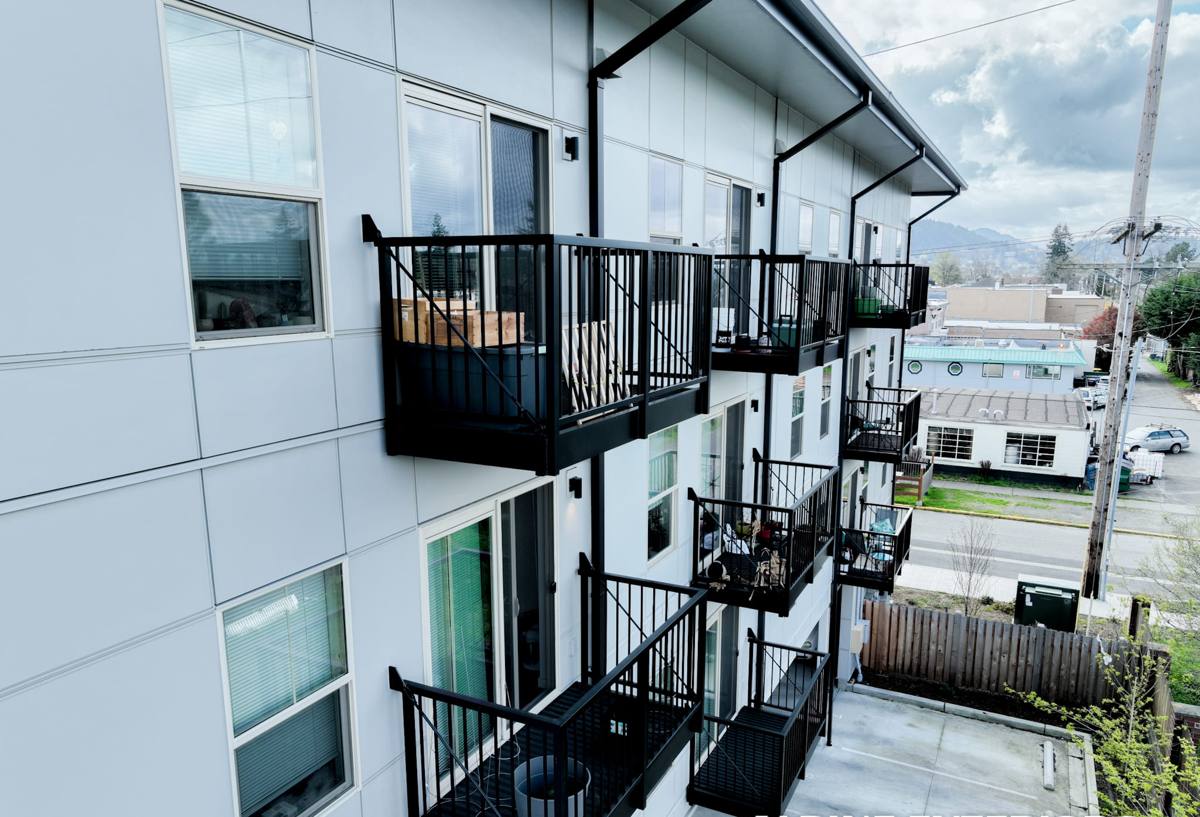
What Storms Actually Do to a Roof Here
Not all storm damage looks the same, and misreading it is how small problems turn into rot. The damage patterns we see most often around here fall into a few categories:
Wind-Lifted and Creased Shingles
Sustained wind doesn't usually rip shingles off cleanly — it works underneath the tab, breaks the sealant strip, and creases the shingle at the lift point. The shingle can look intact from the ground but no longer sheds water properly. Every gust after that works the crease wider.
Moss-Related Moisture Trapping
Long, damp seasons let moss establish on shading, north-facing, or low-slope sections. Moss holds water against the shingle surface far longer than open granule surfaces do, which accelerates granule loss and softens the mat underneath. A storm that would have been harmless on a moss-free roof can be the final push on a section that's already been softened for months.
Flashing and Valley Failures
Driving rain finds every gap in flashing — around chimneys, at wall-to-roof transitions, in valleys, and around vent penetrations. Wind-driven rain can push water uphill under flashing that would hold fine in a straight-down rain, which is why leaks often show up only during specific storm directions.
Gutter Overflow and Fascia Damage
Heavy, sustained rain plus debris-clogged gutters backs water up under the drip edge and behind fascia boards. This shows up as rot at the roof edge long before it shows up as a ceiling stain, so it often gets missed until it's advanced.
Signs a Roof Needs Storm Damage Repair
Most storm damage doesn't announce itself with an obvious hole. It shows up as smaller signals that are easy to write off. Worth checking after any significant windstorm or heavy rain event:
- Shingle tabs that look lifted, curled, or creased even if none are missing
- Granules collecting in gutters or at downspout outlets after a storm
- Moss buildup on shaded slopes, especially where it's thick enough to hold visible moisture
- Soft or discolored patches on interior ceilings near exterior walls or chimneys
- Daylight visible around flashing, vent boots, or chimney counterflashing from the attic
- Sagging or spongy feel underfoot in any roof section (a sign decking has already absorbed water)
- Fascia boards that look swollen, peeling, or dark at the roof edge
What a Correct Repair Actually Involves
A storm damage repair that's done right starts with an honest inspection, not a quick patch over the visible symptom. We look at the roof surface, the flashing details, the decking underneath at any suspect area, and the attic side for moisture staining or dark, damp insulation. That last step matters — surface damage and decking damage don't always line up, and patching shingles over rotted decking just delays a bigger repair.
Once we know what's actually damaged, a proper repair covers:
- Matching materials — shingle color, profile, and weight matched as closely as possible so the repair doesn't stand out or create a mismatched wear pattern down the road
- Correct fastening — proper nail placement and count for our wind exposure, not just enough to hold the piece down temporarily
- Flashing renewal where the storm exposed a gap, rather than resealing old flashing that's already failing
- Decking replacement for any section that's gone soft or delaminated, before new shingles go back down
- Moss treatment or removal on the surrounding roof area if moss contributed to the failure, so the repair isn't undermined again in a year
Repair or Replace: How We Help You Decide
Storm damage doesn't always mean the whole roof needs to come off, but sometimes a repair is a short-term patch on a roof that's already near the end of its service life. Being upfront about which situation you're in is part of the job.
| Factor | Points Toward Repair | Points Toward Full Replacement |
|---|---|---|
| Roof age | Under roughly 12-15 years, otherwise sound | Approaching or past typical service life for the material |
| Extent of damage | Isolated to one slope or a few sections | Damage scattered across multiple slopes |
| Decking condition | Solid, dry decking under the damaged area | Soft or delaminated decking in multiple spots |
| Moss/granule wear | Light, surface-level wear elsewhere | Heavy granule loss and thinning across the roof |
| Prior repair history | First repair on an otherwise well-maintained roof | Roof already patched multiple times previously |
We'll walk you through where your roof lands on that list and give you a straight answer, not a push toward the bigger job.
Our Storm Damage Repair Process
1. Inspection and Documentation
We start with a full inspection of the roof surface, flashing, gutters, and attic, and document what we find with photos. If the damage is significant enough to involve an insurance claim, this documentation is what supports it.
2. Clear Scope Before Work Starts
You get a plain explanation of what's damaged, what's causing it, and what the repair will involve — including whether we found anything beyond the original storm damage, like pre-existing moss damage or old flashing that's due for renewal.
3. The Repair Itself
Work is sequenced to keep the roof weathertight at every stage — we don't leave decking or underlayment exposed overnight if rain is in the forecast, which around here is most of the year.
4. Cleanup and Final Check
Old material, nails, and debris are cleared from the roof, gutters, and ground. We do a final walk-through so you know exactly what was done and what to watch for going forward.
Insurance and Storm Claims
Many storm damage repairs are covered under homeowners insurance, particularly wind and impact damage from a documented storm event. We're happy to provide photos, a written scope, and a damage assessment your adjuster can use, but we don't inflate scopes to hit a claim number or promise coverage outcomes — that's between you and your insurer. What we will do is make sure the documentation reflects what actually happened to the roof.
Why Local Storm Damage Experience Matters
A crew that's worked storm damage repairs across Clearbrook and the Sumas border area knows which slopes take the worst of the wind, which roof styles in this area tend to trap moss, and how far wind-driven rain can travel up under flashing during a typical Pacific storm. That's the difference between a repair that holds and one that reopens during the next windstorm. It also means a faster response when a storm has just come through and water is already getting in — we're not learning the neighborhood's weather patterns for the first time on your roof.
Protecting the Repair Going Forward
A storm damage repair is only as good as the maintenance that follows it, especially with a long moss season working against you. A few habits go a long way:
- Clear gutters at least twice a year, more often if there's overhanging tree cover
- Have moss treated before it thickens, not after it's already visible from the street
- Trim back branches that scrape the roof surface in wind, since abrasion wears through granules fast
- Do a visual check after any major windstorm, especially on slopes that took a direct hit
- Keep an eye on attic insulation for dampness, which often shows up before a ceiling stain does
Staying ahead of these small things is a lot cheaper than another storm damage repair call next winter.
Get an Honest Look at Your Roof
If a recent storm has you wondering whether your roof took real damage or just cosmetic wear, we're glad to come take an honest look. There's no pressure and no obligation — just a clear read on what's going on up there and what, if anything, it actually needs. Use the form below to request a free estimate.