 Sumas Window
 Window Installation Built for Abbotsford's Climate
Abbotsford sits in the Fraser Valley just across the border from Sumas, Washington, and the two towns share the same weather system, whether anyone likes it or not. Homes here deal with long, wet winters, wind-driven rain off the valley, humidity that never fully lets up, and shaded north sides that stay damp long enough to grow moss and algae. Windows take the brunt of that. A window that's a good product but a mediocre install will leak, fog, or rot at the sill years before it should. A window that's correctly installed will do its job for decades even in this climate.
This page is about one thing: getting window installation right for Abbotsford homes specifically, given what this region actually does to a house over time.
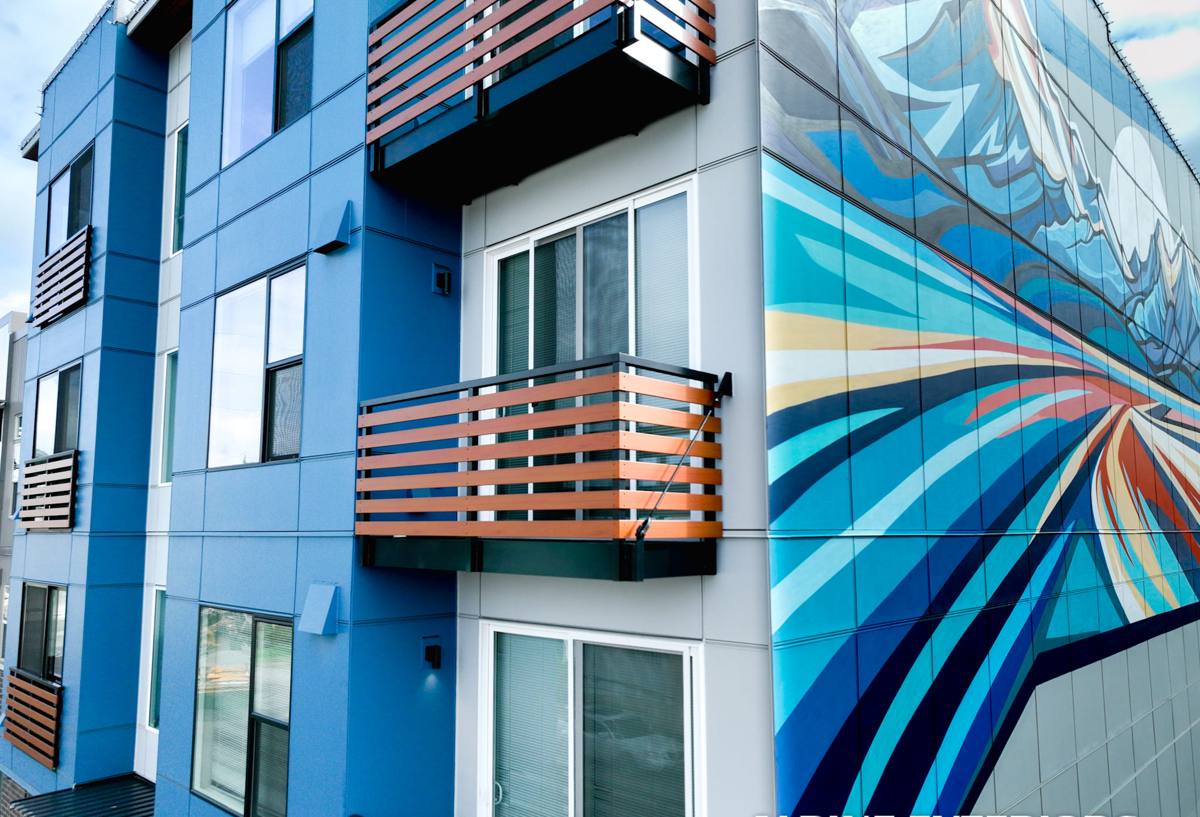
What the Fraser Valley Climate Does to Windows Over Time
Moisture Intrusion
Wind-driven rain doesn't fall straight down here, it drives sideways into wall assemblies and window openings, especially on exposed elevations. If flashing and sealant details aren't done correctly at install, water finds its way behind the trim and into the wall cavity long before it shows up as a visible stain inside. By the time a homeowner notices soft drywall or a musty smell near a window, the damage has usually been building for a season or more.
Moss and Algae
The long moss season in this region isn't just a roof and siding problem. It affects window sills, exterior trim, and anywhere moisture sits without drying out between rain events. Organic growth holds moisture against wood trim and cladding, which accelerates rot right at the window perimeter, which is exactly the spot that's hardest to inspect once it's finished and painted over.
Temperature and Humidity Swings
Coastal-influenced air brings a lot of humidity, and that humidity moving through temperature swings across the seasons causes condensation on interior glass and, in poorly sealed units, between the panes. It also causes wood and vinyl components to expand and contract, which is why proper clearances and flexible sealant joints matter more here than in a dry climate.
What a Correct Window Installation Actually Involves
A window installation is judged on what you can't see once it's done. The unit itself is only part of the job.
- Opening prep: old caulk, rot, and damaged framing removed and the rough opening squared before anything new goes in.
- Flashing sequence: sill pan, side flashing, and head flashing layered correctly so water is always directed outward, never trapped behind the window.
- Air and water sealing: a continuous sealant and backer rod detail at the interior and exterior, not just a bead of caulk around the trim.
- Correct shimming and fastening: the unit set plumb, level, and square, with fasteners placed per the manufacturer's instructions so the frame isn't stressed or bowed.
- Insulation of the gap: low-expansion foam or backer rod between the frame and rough opening, sized so it seals without bowing the window frame.
- Interior and exterior trim reset: trim reinstalled or replaced so the finished look matches the rest of the house and the sealant lines are protected from UV and weather.
Skip or rush any one of these steps and the window itself, however good, will underperform. This is where most callback problems on window jobs actually come from.
Choosing the Right Window for This Climate
There's no single "best" window material, but there are real trade-offs worth understanding before you decide, especially in a climate that stays wet for most of the year.
| Frame Material | How It Handles This Climate | Maintenance | Typical Lifespan |
|---|---|---|---|
| Vinyl | Good moisture resistance, won't rot; performance depends heavily on installation quality and weld quality at corners | Low | 20-30 years |
| Fiberglass | Very stable through temperature and humidity swings, resists warping better than vinyl in extreme swings | Low | 30-40 years |
| Wood or wood-clad | Best appearance for older or character homes, but exterior wood surfaces need protection from the region's rain and moss exposure | Higher | Varies with maintenance |
| Aluminum | Durable but conducts cold and can condense heavily in humid, cool climates unless thermally broken | Low | 20-30 years |
For most Abbotsford homes, we lean toward vinyl or fiberglass for standard replacements because they hold up to sustained moisture without the ongoing upkeep wood requires. Wood and wood-clad units still make sense on homes where matching an existing architectural style matters more than minimizing maintenance, as long as the homeowner understands the upkeep that comes with it.
Working Across the Border: What's Different for Abbotsford Homes
Sumas and Abbotsford sit right across the Huntingdon-Sumas border crossing from each other, and a crew that works both sides regularly deals with a handful of things a purely local Fraser Valley contractor or a purely U.S. contractor might not think about:
Codes and Certification
Windows sold and installed in British Columbia need to meet Canadian standards, and BC's Energy Step Code has been pushing new construction and major renovations toward higher-performance glazing. Windows are commonly rated differently on each side of the border too, U.S. labels lean on U-factor and Energy Star, while Canadian labels commonly reference the ER (Energy Rating) system. Knowing how to read and compare both matters when you're sourcing a window and confirming it actually meets what the job calls for.
Permits
Whether a window replacement in Abbotsford needs a permit depends on the scope of the work, whether the rough opening size is changing, and the current bylaws in effect. This is worth confirming before work starts rather than assuming it's the same process as a permit pulled on the Washington side.
Logistics
Materials, crew, and equipment crossing the border for a job need to be planned for, not improvised. A crew that does this routinely has the paperwork and timing down; a crew that doesn't can turn a one-day install into a multi-day headache over customs delays.
Our Installation Process
- On-site assessment: we look at existing window condition, framing, and any signs of moisture damage before quoting anything.
- Product selection: we walk through frame material, glazing options, and code requirements relevant to the specific home and its exposure.
- Written estimate: clear scope, materials, and timeline, no surprise add-ons once work starts.
- Removal and prep: old units removed carefully, opening inspected and repaired if there's hidden rot or damage.
- Installation: flashing, sealing, shimming, and insulating done to manufacturer spec, not shortcuts.
- Finish and walkthrough: trim finished, site cleaned up, and every window opened, closed, and checked with the homeowner before we call it done.
Cost Factors for an Abbotsford Window Project
Every home is different, but the line items that actually move the price are consistent. Rather than quote a number that won't mean much without context, here's what to expect a quote to weigh:
| Factor | Why It Affects Cost |
|---|---|
| Number of windows | Per-unit pricing drops somewhat with volume, but each opening still needs full prep and flashing |
| Frame material | Vinyl is typically the most budget-friendly, fiberglass and wood-clad cost more upfront |
| Opening condition | Rot repair or reframing found once old windows come out adds labor and material |
| Window size and type | Large picture windows, custom shapes, or bay/bow configurations cost more than standard sizes |
| Access and height | Second-story or hard-to-reach windows take more time and equipment |
| Energy performance | Higher-performance glazing to meet Energy Star or BC Step Code targets costs more per unit |
We break all of this out in the estimate so you know what you're paying for, not just a lump sum.
Signs Your Current Windows Are Already Failing
Given how this climate works, these are the warning signs worth acting on before they become a bigger repair:
- Fogging or moisture trapped between panes of double- or triple-glazed units
- Soft, discolored, or spongy trim or sill material around the window frame
- Visible moss or dark staining building up on sills or exterior trim
- Drafts or noticeable temperature difference near the window when it's cold or windy out
- Windows that are difficult to open, close, or latch, which often points to a frame that's shifted or warped
- Rising heating bills without another clear explanation
Why a Border-Familiar Crew Matters
Abbotsford homeowners can hire a crew based entirely in the Fraser Valley or one based entirely in Washington State. Both can do good work. What a crew based in Sumas, working Abbotsford regularly, brings to the table is familiarity with both sides of the equation: how to spec a window that satisfies BC's code and rating system, how permitting typically works on the Abbotsford side, and how to move materials and get a crew on site without the logistics becoming the homeowner's problem. That familiarity shows up as fewer surprises and a smoother job, not just a lower price.
If you're weighing a window replacement or new install for an Abbotsford home, we're glad to come take a look, walk through what your home actually needs given its exposure and condition, and put together a straightforward, no-pressure estimate. There's a form below to get that started.