 Sumas Window
 Metal Roofing Built for Abbotsford's Weather, Not a Showroom
Abbotsford sits close enough to the coast to catch salt-laden air off the Strait, and far enough into the Fraser Valley to get heavy, prolonged rain events most of the year. Add a long moss season — thanks to shade, humidity, and mild winters that never really dry the roof deck out — and you've got a climate that's hard on roofing materials that aren't matched to it. A metal roof done right handles all three of those stresses well. A metal roof done wrong, with the wrong fasteners, the wrong underlayment, or panels not rated for coastal exposure, can fail faster than the asphalt shingle roof it replaced.
This page covers what a metal roofing job for an Abbotsford, BC home should actually include — the material choices, the details that matter in this climate, and how we approach the work as a crew that's familiar with this area, not one passing through.
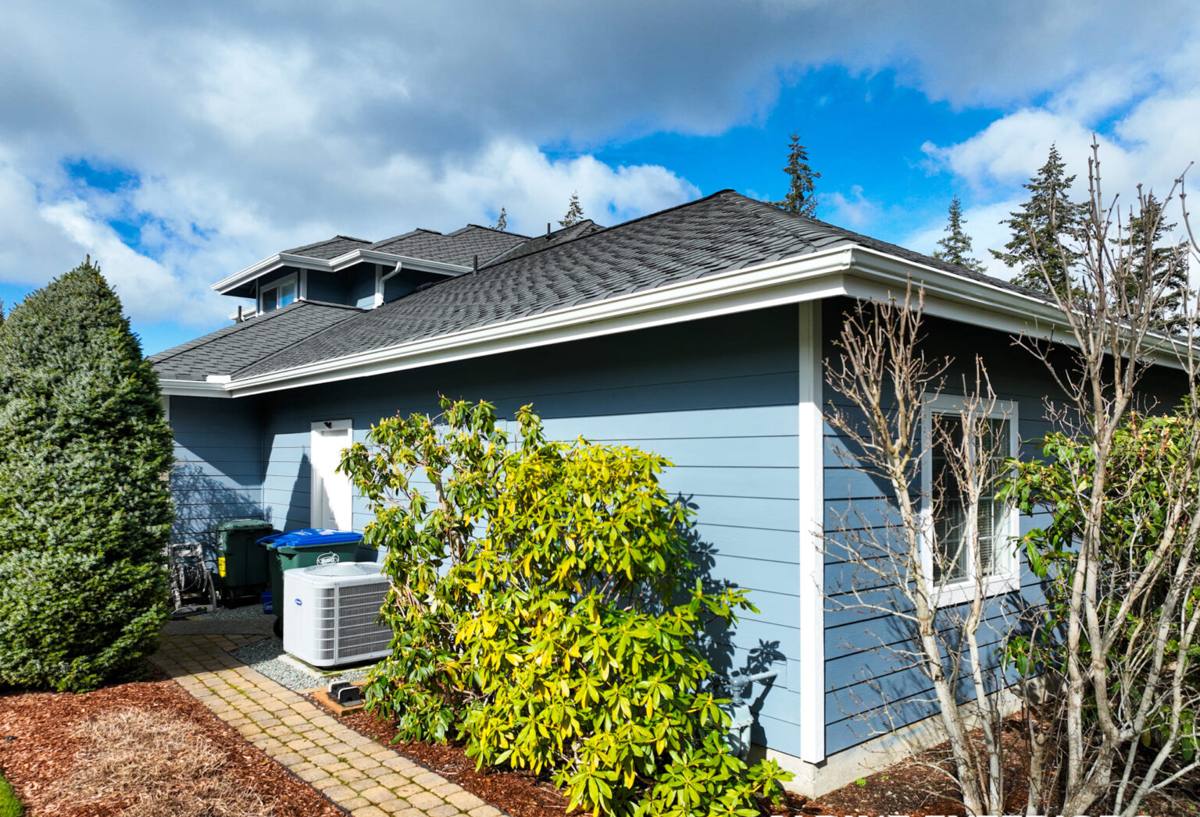
What Abbotsford's Climate Actually Does to a Roof
Salt Air and Coastal Moisture
You don't need to be right on the water for salt air to matter. Prevailing winds carry fine salt particulate well inland, and over years it accelerates corrosion on any metal that isn't properly coated or isn't a corrosion-resistant alloy to begin with. This shows up first at cut edges, fastener heads, and anywhere the protective coating has been scratched during installation or by debris.
Driving Rain
Wind-driven rain doesn't just fall straight down — it gets pushed sideways under panel laps, around penetrations, and into any gap in flashing that a calm-weather install might get away with. Fraser Valley storms can deliver sustained wind-driven rain for hours at a time, which is a real test of lap seams, valley flashing, and any place a chimney, vent, or skylight breaks the roof plane.
Moss and Organic Growth
Shaded roof sections, north-facing slopes, and anywhere debris collects stay damp long enough for moss and algae to take hold. On asphalt shingles, moss lifts the mat and holds moisture against it. On metal, moss is less able to root into the surface itself, but it can still build up in valleys, around fasteners, and under badly lapped panels — trapping moisture against the metal instead of letting it shed.
Why Metal Makes Sense for This Climate — With Honest Trade-Offs
Metal roofing isn't automatically the right call for every home, but for this climate it solves several problems at once:
- Moss resistance: a smooth, sloped metal surface gives moss and algae far less to grip compared to a textured shingle mat.
- Water shedding: steep-sloped standing seam or well-lapped panels shed driving rain faster than shingles, reducing the time water sits against the roof surface.
- Longevity: a correctly specified and installed metal roof commonly outlasts asphalt shingles by decades, which matters when you're weighing the higher upfront cost.
- Snow and debris shedding: smooth panels shed wet snow and fir needles more readily than a rough shingle surface, which cuts down on trapped moisture over the winter months.
The trade-offs are real too: metal costs more upfront than asphalt, panel and fastener choice matters more (a cheap coating or the wrong fastener in salt air will corrode faster than the roof itself), and some homeowners find the acoustic difference during heavy rain noticeable without proper underlayment and decking. We'll walk through all of this honestly during your estimate — metal isn't a sales pitch, it's a fit question.
Panel and Fastener Choices That Matter Locally
Coating and Alloy
For a coastal-influenced climate like Abbotsford's, coating quality matters as much as the base metal. Galvanized steel with a quality paint system, Galvalume, or aluminum panels all perform differently under salt exposure, and the right choice depends on your roof's exposure, budget, and how close you are to prevailing salt-air paths.
Fasteners
Mismatched fasteners — say, a standard steel screw on an aluminum panel, or an uncoated fastener anywhere near salt air — set up galvanic corrosion that shows up as rust streaks and eventual fastener failure years before the panel itself would fail. We match fastener material to panel material every time, not just to whatever's on the truck.
| Factor | Why It Matters in Abbotsford |
|---|---|
| Panel coating/alloy | Salt air accelerates corrosion on mismatched or poorly coated metal |
| Fastener material | Wrong fastener-to-panel pairing causes galvanic corrosion and early leaks |
| Underlayment | Wind-driven rain needs a sealed, high-quality water barrier beneath the panels |
| Panel profile/slope | Steeper slopes and standing seam shed rain and moss buildup faster than low-slope panel systems |
| Flashing detail | Valleys, chimneys, and vents are the most common failure points in sustained rain |
What a Correct Metal Roof Installation Involves
Deck and Underlayment First
The metal panel is the visible layer, but the roof's real waterproofing starts underneath it. We check the deck for rot or soft spots before anything goes on, and we use an underlayment rated to handle wind-driven rain — because if water does find its way under a panel lap during a storm, the underlayment is what keeps it out of your attic.
Seams and Laps
How panels overlap, and how tightly those laps are sealed and fastened, determines how well the roof handles sideways rain. This is a detail that separates a roof that performs for decades from one that starts leaking at the first real coastal storm.
Flashing Around Penetrations
Chimneys, plumbing vents, skylights, and valleys are where most roof leaks actually start — on metal roofs just as much as shingle roofs. Proper flashing here isn't optional trim work; it's the difference between a dry attic and a repeat service call.
Ventilation
A roof that traps moisture underneath it — whether from poor attic ventilation or a vapor barrier mismatch — can condensate against the underside of metal panels. Good ventilation design keeps the roof system dry from both sides, not just the top.
Our Process for Abbotsford, BC Homes
- On-site assessment: we look at your roof's slope, exposure, existing deck condition, and any moss or moisture issues before recommending a system.
- Honest scope and estimate: we explain panel and fastener options, what they cost, and why — no upsell to a system your home doesn't need.
- Deck prep: any rot, soft spots, or damaged sheathing gets addressed before new material goes down — covering up a bad deck is not something we do.
- Underlayment and flashing installed to the exposure your roof actually gets, not a one-size-fits-all standard.
- Panel installation with matched fasteners and attention to lap and seam detail throughout.
- Final walkthrough so you understand what was done and what maintenance, if any, it needs going forward.
Maintenance: What a Metal Roof Actually Needs Here
Metal roofs are lower-maintenance than asphalt, but "lower" isn't "zero" in this climate. A short annual checklist keeps small issues from becoming leaks:
- Clear valleys and gutters of fir needles and debris before fall rains set in
- Check flashing around chimneys and vents for gaps or lifted sealant
- Look for any streaking or discoloration at fastener heads, which can signal early corrosion
- Trim overhanging branches that keep shaded roof sections damp longer
- Have a professional check seams and laps after any major windstorm
Why Hire a Crew That Already Works This Area
Whatcom County and the neighboring Fraser Valley share a lot of the same weather — salt-influenced air, heavy driving rain, and a moss season that punishes any roof not built to shed water fast. A crew that regularly works Abbotsford, BC and the surrounding area already knows which panel systems and fastener combinations hold up here, and which underlayment specs are worth the extra cost versus which are overkill for a given roof's exposure. That's not something you get from a general contractor doing a metal roof for the first time, or a crew that mostly works a drier inland climate.
We also know the practical side: permitting expectations, how local weather windows affect scheduling a re-roof, and what existing roof conditions we tend to find on homes in this area given the climate they've weathered.
Get a Straight Answer on Your Roof
If you're weighing metal roofing for a home in Abbotsford, BC, we're happy to take a look and give you an honest read on what your roof needs — no pressure, no inflated quote to scare you into a bigger job than necessary. Fill out the form below for a free estimate and we'll walk you through your options in plain terms.