 Sumas Window
 Building New in Goshen: Get the Windows Right the First Time
When you're framing a new home in the Goshen area outside Sumas, the windows you choose and how they're installed will quietly determine how that house performs for the next 20 to 30 years. Unlike a replacement job, where you're often correcting someone else's mistakes, new construction gives you one clean shot at doing it right — proper flashing sequence, correct frame selection for the site, and a window unit that's actually suited to Whatcom County weather rather than whatever was cheapest at the distributor that week.
Goshen sits in a part of the county that sees a real mix of exposure: open farmland wind, tree cover that keeps things damp longer than you'd expect, and the kind of driving rain that comes in sideways during a fall storm. Building new here means designing the window installation around those conditions from the framing stage, not bolting on fixes after the drywall is up.
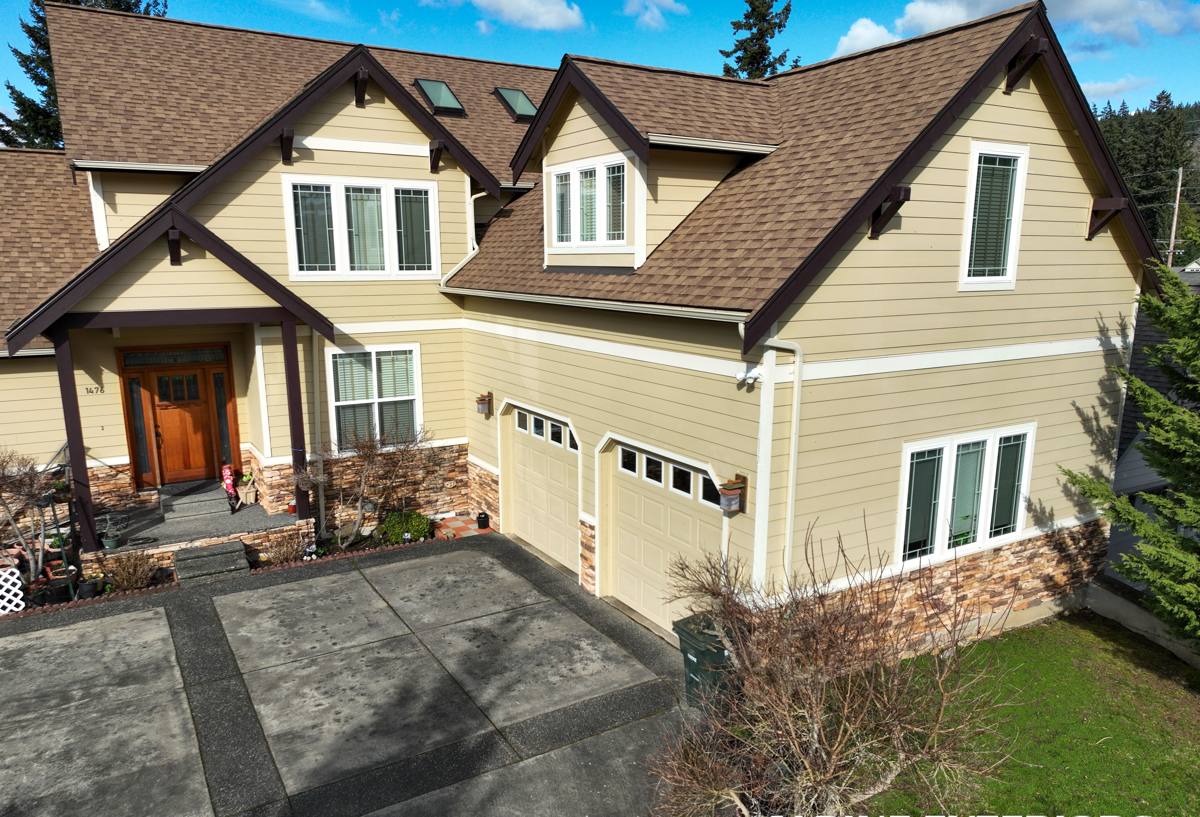
Whatcom County's Climate and What It Means for New Construction
Three things drive most window problems in this part of Washington, and all three matter more during new construction than at any other point in a home's life.
Driving Rain
Storms off the Strait push rain horizontally, not straight down. That means water is hitting window head flashing, jamb seals, and sill pans at an angle, and any gap in the water management plane will find its way behind the siding. On a new build, this is solved with correct flashing shingle-lap sequencing — something that's far easier to get right before the walls are closed in than after.
Salt Air
Proximity to marine air in this region accelerates corrosion on hardware, fasteners, and lower-grade metal components. New-construction windows should spec corrosion-resistant hardware and fasteners from the start, since swapping out a corroded roller or lock mechanism years later on a sealed unit is a bigger job than it should be.
Moss and Prolonged Moisture
Whatcom County's long wet season means anything organic — siding, trim, sills — stays damp longer than in drier climates, and moss finds a foothold anywhere water sits. Window sills and exterior trim need drainage paths and material choices that don't invite moss and rot to set in during year one.
None of these are exotic problems. They're just the baseline conditions a new-construction window package has to be designed around in this region, and it's why we treat window installation as part of the building envelope, not a separate trade that happens to touch the same wall.
New Construction vs. Replacement: Why the Approach Is Different
A lot of homeowners assume "install a window" is the same job whether it's new construction or a replacement. It isn't. In new construction, the window goes into an open rough opening with no existing siding, trim, or interior finish in the way. That's an advantage — it means the flashing, sill pan, and weather-resistive barrier integration can be done in the correct order, layered properly, with full access to every side of the opening.
The tradeoff is that new construction leaves no room for shortcuts to hide. A poorly flashed replacement window might leak slowly for years behind existing trim before anyone notices. A poorly flashed new-construction window, sealed up behind fresh siding and drywall, can trap water against framing from day one — and by the time it shows up as a stain or soft spot, real damage has already happened. Getting the sequence right during the build is the whole game.
Choosing the Right Window for a Goshen Build
Frame material and glazing package both matter, but for new construction in this climate, water management performance and hardware durability should carry as much weight as energy ratings.
| Frame Material | Performance in This Climate | Maintenance |
|---|---|---|
| Vinyl | Good moisture resistance, no corrosion risk from salt air, solid value | Low — occasional cleaning, no painting |
| Fiberglass | Excellent dimensional stability in wet-dry cycling, holds up well long-term | Low — very stable finish |
| Aluminum | Needs thermal breaks and marine-grade hardware to avoid corrosion and condensation issues near salt air | Moderate — hardware inspection recommended |
| Wood/Wood-clad | Attractive but exposed wood components are vulnerable to the region's prolonged wet season without diligent upkeep | Higher — regular sealing and inspection |
We'll walk through these options honestly for your specific elevation and exposure on the lot rather than pushing one product line. A north-facing wall with heavy tree cover has different needs than a south-facing wall catching open wind, even on the same house.
Our New-Construction Window Process
- Rough opening review — we check every opening against the window schedule before units arrive, so there are no surprise mismatches on install day.
- Sill pan installation — a sloped, sealed sill pan under every window so any water that does get past the glazing has somewhere to drain, not somewhere to sit.
- Flashing integration — jamb flashing, then the window, then head flashing, layered to shed water downward and outward in the correct shingle-lap order with the weather-resistive barrier.
- Fastening and shimming — units set plumb, level, and square, fastened per manufacturer spec so the frame isn't stressed and hardware operates smoothly for years.
- Interior and exterior sealing — backer rod and sealant where called for, insulation in the shim space, and a final check of operation before we move on.
Every step is inspectable before the next layer goes on, which is the real advantage of doing this during new construction instead of after the fact.
Flashing and Sequencing: The Details That Prevent Callbacks
Most window failures we get called out to fix — on any home, not just new builds — trace back to flashing sequence, not the window itself. Water needs a continuous, shingle-lapped path from the top of the opening down and out, past the sill, and away from the wall assembly. If the head flashing goes on before the side flashing instead of after, or if the sill pan doesn't extend far enough to catch water at the corners, you've built in a leak point that won't show itself until the first real storm — or the fifth.
Given how much driving rain this area sees, we treat flashing sequence as non-negotiable, not a step to speed through. It's also the reason we'd rather walk a framer through the rough opening details before drywall than get called back afterward.
Cost Factors for a New-Construction Window Package
| Factor | Why It Affects Cost |
|---|---|
| Frame material | Fiberglass and higher-end vinyl typically cost more upfront than builder-grade vinyl but reduce long-term maintenance |
| Glazing package | Double vs. triple pane, and Low-E coatings, affect both price and energy performance |
| Number and size of openings | Larger units and specialty shapes (bay, picture, custom) cost more per opening |
| Site exposure | Walls with heavier wind or rain exposure may warrant upgraded flashing details or hardware |
| Access and timing | Coordinating install with the framing schedule affects labor efficiency |
We'll give you a straightforward breakdown for your plans rather than a vague per-window number — new construction pricing depends heavily on your window schedule and how many openings, sizes, and configurations are involved.
Checklist: Before Windows Go In on a New Goshen Build
- Rough openings confirmed against the final window schedule, with tolerances checked
- Weather-resistive barrier installed and lapped correctly around each opening
- Sill pans specified and ready for every opening, not just the exposed elevations
- Window hardware and fasteners confirmed as corrosion-resistant for a coastal-influenced climate
- Flashing sequence agreed upon with the framer or GC before siding starts
- Sealant and insulation materials on hand and rated for exterior use in a wet climate
Working through this list with your builder before the crew shows up saves real time and avoids the kind of mid-install scrambling that leads to shortcuts.
Why Hire a Crew That Already Works in Goshen
New-construction window installation isn't just about the units — it's about how they integrate with the specific framing, siding, and drainage plane details a builder is using on that particular house. A crew that already works jobs around Sumas and greater Whatcom County has seen how local framers detail rough openings, how the area's rain and moss season actually behave against a wall over a full year, and where corners tend to get cut on jobs that weren't built for this climate. That familiarity shows up in fewer surprises during install and fewer callbacks after the siding's on.
If you're framing a new home in the Goshen area and want a window package and installation plan built around how this region actually treats a house, we're happy to take a look at your plans and walk through your options. Reach out for a free, no-pressure estimate — the form below gets you started.